
Most people only begin to enquire about pelvic health when issues like discomfort, leaking, or postpartum recovery occur. However, did you realize that pelvic floor rehabilitation is far more complicated than the typical recommendations you hear? Actually, there are a lot of camouflaged secrets regarding this therapy that can fundamentally alter your perspective on confidence, strength, and recovery. To set the record straight, we’ve compiled answers to the most common queries regarding pelvic floor rehabilitation, exposing the realities that are typically taboo & presenting to you the 10 hidden insights about pelvic floor rehab in full swing.
Table of Contents
ToggleThe Anatomy of the Pelvic Floor
The intricate mechanical system known as the pelvic floor, is made up of superficial perineal muscles, ligaments, endopelvic fascia, levator ani, and pelvic nerves. The primary element of the pelvic floor is the levator ani muscle, often known as the diaphragm of the pelvic floor. Like the external anal sphincter and certain postural muscles, the levator ani muscle contracts perpetually, diligently supporting the intrapelvic viscera against intraabdominal strain and preventing pelvic organ prolapse.
The pelvic floor is mapped out to support coordinated movements during bladder and rectal draining and to suspend material. Attachments to the pelvis and related muscles provide stability for the pelvic organs. The ligaments and tissues which bolster the endopelvic viscera link the anorectum to the pelvic floor.
- The female pelvic floor has orifices for the urethra, vagina & anus. This makes it somewhat more multiplex & predisposed to weakness.
- The male pelvic floor acts as a substructure to the bladder, prostate & rectum.
Why is the Pelvic Floor Important?
The pelvic floor acts as a pedestrian bridge, whereby the muscles of the pelvic floor contract alongside the ligaments that hold up the organs beneath it. These muscles also significantly assist in expulsion and continence. It is being suggested that the pelvic floor muscles are involved in both male and female genital stimulation and orgasm, and that reduced strength of these muscles may have an adverse effect on the above phases of function. A major contributing factor to sexual discomfort in both men and women is the overactive pelvic floor. This is why understanding the 10 hidden insights about pelvic floor rehab is important. Let’s look into these.
10 Hidden Insights about Pelvic Floor Rehab
Before we dive into the 10 hidden insights about pelvic floor rehab, let’s talk about some statistics.
According to a research, Knowledge & Awareness of Pelvic Floor Disorders & Rehab in Postpartum Women, published in 2025, only 5.96% of respondents knew about the rehabilitation treatments that were accessible, notably pelvic floor therapy, revealing that they had very minute knowledge regarding reliable treatment pathways. Apart from that, 63.6% of women experienced pelvic floor symptoms out of which the majority did not find it necessary to have an intervention.
Even worse, 84.4% of women believed that their symptoms were not indications of dysfunction but rather “typical” postpartum modifications. This misunderstanding causes therapy to be pushed back, which prolongs or exacerbates relatively manageable ailments like prolapse, pelvic pain, or incontinence. The results highlight the value of regular screening and structured postpartum education in normalizing pelvic health conversations and guaranteeing prompt referral to rehabilitation.
Another study conducted in 2017, reported that although pelvic floor dysfunction is a common cause of urine incontinence in men, males receive far less attention than females when it comes to pelvic floor rehabilitation. The argument is that men’s treatment programs are not as notable, reported, or offered, even when incidence is known.
NOTE: We do not endorse or recommend the use of any medicines. Always consult your physician or qualified health care provider before starting any medications. Safety first!
Recognizing these obstacles in both men and women demonstrates how undervalued pelvic health is. Finding the crucial information on 10 hidden insights about pelvic floor rehab is crucial because there are so many unreported and concealed gaps in knowledge. So let’s take a closer look at them.
1. Multitudinous symptoms overlap with each other
The very first aspect in the 10 hidden insights about pelvic floor rehab is the overlapping of symptoms. A lot of individuals who have pelvic floor disorders are not limited to one symptom. Rather, a number of problems frequently coexist and emerge together. For instance, a person with urine leakage may also have pelvic pressure, gastrointestinal issues, or intercourse related discomfort. This occurs because the underlying framework and pelvic floor muscles operate as a unified, interlinked system; if one part is weak, tense, or not working properly, it frequently affects the remaining components as well. In order to restore general balance and function, pelvic floor rehabilitation treats the entire pelvic system rather than just one ailment.
2. Consequences extend beyond physical symptoms
The symptoms of pelvic floor dysfunction go well beyond incontinence concerns. Frequent urination at night or pelvic pain causes sleep disturbances for many patients, which exacerbates weariness and impairs performance during the day. Men may have erectile dysfunction or ejaculatory distress, while women may report painful intercourse.
A study Pelvic Floor Dysfunction & its effect on quality of sexual life, revealed that the risk of sexual dysfunction is more common in women with pelvic floor dysfunction rising up to 50-83%.
Moreover, interpersonal engagement may be limited due to discomfort in public environments, fear of odor, or loss of control over fundamental physiological functions, causing lack of self-esteem & confidence. This emotional strain frequently develops into severe anguish over the years, where daily functioning is overshadowed by the worry of a public mishap. When taken together, these elements demonstrate that pelvic floor dysfunction is a biopsychosocial problem in addition to a physical one that necessitates thorough therapy which takes into consideration overall quality of life.
3. Pelvic Floor Dysfunction Affects Spine & Hip too
Because of its anatomical and functional connections to the lumbar spine, sacrum, pelvis, and hip joints, the pelvic floor does not function in seclusion. A weak, hyperactive, or poorly coordinated pelvic floor can have a number of negative consequences such as:
- The lumbopelvic junction is stabilized by the intra-abdominal pressure created by the pelvic floor and the core, which includes the abdominals, diaphragm, and multifidus. Low back discomfort may result from increased strain on the lumbar vertebrae and intervertebral discs resulting from improper pelvic floor engagement. Read Sciatica Diagnosis: Disc vs Piriformis
- The pelvis maneuvers as an overpass, allying the spine & hips. Hip joint biomechanics can be changed by pelvic ring dysfunction, which can result in decreased hip range, changed gait patterns, or gluteal and hip muscular recruitment.
- Referred pain or sensitization in the lower back, hips, or groin can result from stress or instability in the pelvic floor muscles, which can aggravate adjacent nerves (pudendal, sacral plexus). Additionally, changed pelvic floor sensory feedback might alter patterns of motion, leading to more stress.
4. Longer Duration of Therapy Ameliorates Outcomes in Male Chronic Pelvic Pain
One of the 10 hidden insights about pelvic floor rehab is the male chronic pelvic pain. Treatment for idiopathic chronic pelvic pain syndrome (CPPS) in males is not a “rapid cure,” according to research on the condition. It takes expertise to tackle the condition’s intricate relationships between psychosocial stressors, neurological system sensitization, and pelvic floor muscle dysfunction.
According to scientific research, patients who attended multiple therapy sessions on average, ten or above, showed a noticeably higher improvement in symptoms than those who discontinued sooner. Not only did pain scores improve, but sexual function, urinary problems, and general quality of life also revamped.
The physiological rationale is that regular, systematic pelvic floor rehabilitation improves blood flow and neuromuscular control, helping retrain hyperactive or uncoordinated muscles, and restores baseline tone. It takes more than a few sessions to accomplish this steady re-education process. Additionally, the longer duration of therapy enables the gradual incorporation of home exercise training, biofeedback, manual therapy, and relaxation techniques, all crucial for controlling the chronic, complex nature of CPPS.
The necessity for diligence and consistency in pelvic health rehabilitation is highlighted by the strong correlation between men’s improved outcomes and their willingness to commit to a longer course of therapy.
5. Symptoms Intensity & Baseline tone controls the Outcomes in Women
Experimentation persistently demonstrates that the baseline muscle tone and the intensity of early symptoms have a significant impact on how well pelvic floor muscle training (PFMT) works for women. Women are much more likely to experience substantial improvement if they commence therapy with better pelvic floor contractility along with fewer severe symptoms. Studies on women with stress urinary incontinence revealed that greater rates of recovery were predicted by stronger bladder neck support and excellent pelvic floor tone after weeks of pelvic floor muscle training.
According to a retrospective cohort review, women who had a better baseline pelvic floor contraction had a higher chance of achieving at least 50% symptom reduction than those whose muscles were weak or unresponsive at the beginning. On the other hand, women with longer term, severe symptoms such as heavy leakage, frequent pad change, or bladder neck laxity revealed substandard rates of complete recovery.
The evident clinical conclusion is that early detection and intervention are essential. The best chance of full recuperation is for women to seek treatment when their signs and symptoms are still minimal and their muscular tone is still somewhat intact as delayed intervention may restrict the extent of recovery. This forms an important basis of 10 hidden insights about pelvic floor rehab.
6. Modern Imaging & Technology are changing the Rehab Assessment & Design
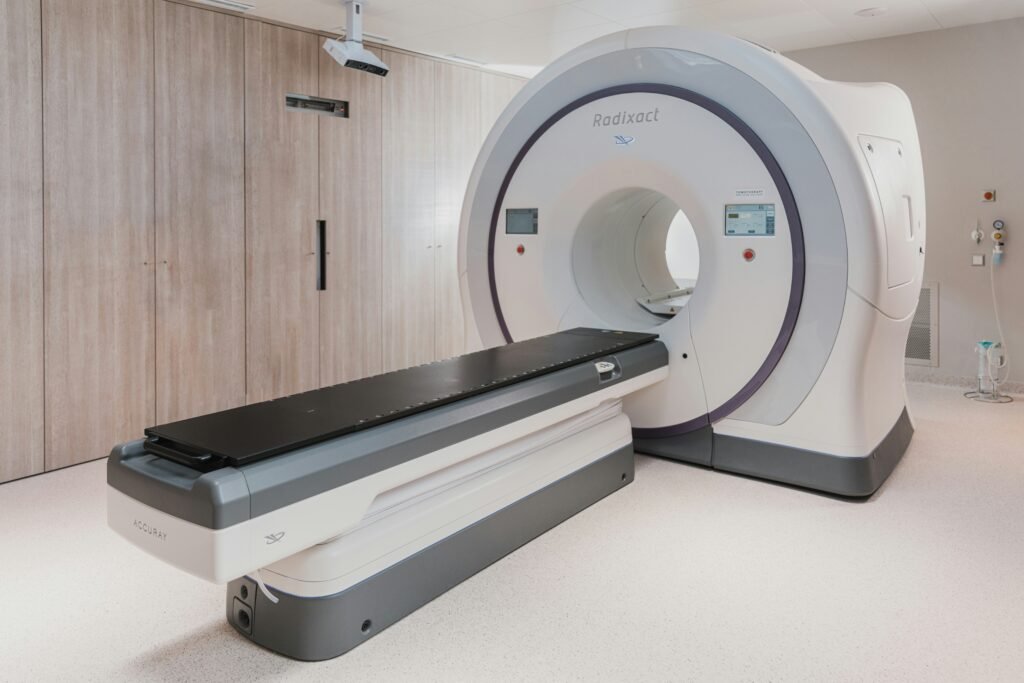
The use of modern imaging modalities such as 3D Ultrasound can permit accurate dimensional mapping of the pelvic floor while doing dynamic exercises such as valsalva contractions. This aids in observing the movement and deformation of the pelvic muscles and organs. Similarly, the use of high resolution 3D MRI facilitates in defining the levator plate’s shape, the position of the bladder neck, the angles, and the muscle thicknesses.
More precise visualization, measurement, and simulation of the pelvis’ anatomy and dysfunction enables far more tailored rehabilitation such as:
- Determining the discrete anatomical deficit that includes weak or defective muscles (avulsion), incorrect hiatal measures, descending organs so that hat rehabilitation can focus on these appropriate areas.
- Measure the amount of hiatal distension under stress or the shape changes so that one can try to enhance the ability to withstand strain through correct posture, respiration, muscular control or lessen excessive distensibility.
- Personalized dosage can be given to each individual for example, greater neuromuscular conditioning can be done if the muscle avulsion occurs; harder contractions if muscle bulk is maintained; and emphasis on posture and loading technique if the bladder diminution is noticeable under valsalva.
Thus, this makes it one of the most important discernments among the 10 hidden insights about pelvic floor rehab.
7. Sexual Health & Continence can be Restored in Men through PFMT
Numerous randomized controlled trials suggest that strengthening the pelvic floor muscles in males leads to significant gains not just in urine control but also in libido. For instance, males who participated in systematic pelvic floor muscle training following radical prostatectomy, particularly when paired with biofeedback or supervised techniques, reported much better outcomes of urinary continence and greater erectile function recovery than those who received only typical medical treatment.
By increasing endurance of muscles, neuromuscular regulation, and blood flow, the weak pelvic floor strength will regain their erectile dysfunction, post-prostatectomy incontinence, and post-micturition dribbling. Crucially, the best results are obtained by early initiation, physical instruction or biofeedback, and continuous interventions.
8. Personalized Training Plan Works Better
Studies repeatedly demonstrate that strengthening the pelvic floor muscles under the guidance and supervision of a physiotherapist is considerably more beneficial than performing general, unattended exercises. A modified plan guarantees that the proper muscles are being used, that the time and intensity are suitable for the person’s condition, and that progression is regularly tracked. Additionally, supervised exercises give patients input via biofeedback, ultrasound, or palpation, which helps them acquire the proper contraction technique and steer clear of reimburse motions.
Compared to uncontrolled “universal” exercise regimens, the customized method results in stronger pelvic floor contractions, a higher decrease in urine leakage, and notable improvements in quality of life. To put it briefly, training that is led and customized produces consistently better, more dependable, and longer-lasting results.
9. Hormones & Life Stage Shape the overall Pelvic Floor Health
Pelvic floor health is significantly impacted by hormonal fluctuations that occur during many life phases, including pregnancy, postpartum recuperation, perimenopause, and menopause. Increased mechanical strain and variable estrogen and relaxin levels during pregnancy and after delivery might weaken pelvic support systems and increase the risk of leakage or prolapse. Eventually, this weakening of tissues, decreased suppleness, and diminished muscle tone are caused by falling estrogen levels during perimenopause and menopause, which increases the likelihood of pelvic floor dysfunction and incontinence.
Because these hormonal changes affect muscle reactivity and tissue integrity, rehabilitation needs to be customized for each person’s stage of life. Clinicians can provide more efficient, secure, and long lasting results for pelvic floor wellness by coordinating therapy with the hormonal environment.
10. The Major Gap: Why Men & Women Need Better Pelvic Floor Education?
The final of the 10 hidden insights about pelvic floor rehab is basic education. Despite the importance of pelvic floor health for day-to-day functioning, there is still a significant knowledge and advice gap for both men and women. After giving delivery, many women say they were given little to no guidance on how to promote pelvic floor healing, avoid tearing, push during labour, or safely resume activity. In the same way, men recovering from prostate surgery or who suffer from erectile dysfunction and urine leaks are frequently released without explicit pelvic floor therapy plans.
Males and females may resort to general counsel or, worse, forgo getting care entirely in the absence of formal direction, which could result in longer symptoms, needless suffering, and a lower quality of life. For everyone to regain continence, avoid problems, and improve long-term pelvic health, this education gap must be filled with improved clinician care, physiotherapy involvement, and easily accessible materials.
If you enjoyed reading the 10 hidden insights about pelvic floor rehab or want to add any case study or details to it, leave a comment below.
This article has been written by a Physical Therapist and provides general guidance on physical health & exercise. While it is grounded in professional expertise, it is not a substitute for individualized medical advice. If you are experiencing pain, specific symptoms, or have an underlying medical condition, please book a 1 on 1, 30 minute consultation with our expert physical therapist for a personalized assessment & tailored recommendations.
Pingback: 7 Critical Exercises to Rebuild your Pelvic floor -
Pingback: 10 Exercises that can Beat Down Injuries Before They Occur -