
Polycystic ovarian syndrome is an amalgam of signs and symptoms of increased androgens and ovarian dysfunction. It is not limited as a reproductive organ disease as it can knock together a metabolic storm. Similar to how diabetes impairs the ability of the body to utilize insulin efficiently, Polycystic ovary syndrome is a result of a disintegration that takes place inside the ovaries.
Table of Contents
ToggleThe characteristic feature of diabetes, insulin resistance, in polycystic ovary syndrome agitates the ovaries causing excessive androgen release, stopping ovulation, and keeping the ovaries in a predicament of hormonal disorder. Due to this, PCOS is now termed as the diabetes of the ovaries & in this blog we will discover what is the physiology behind the label of the diabetes of the ovaries & its controlling cure.
Physiological Facts about PCOS
The literature indicates that PCOS is a quite common condition, with a prevalence that ranges from 4 to a rough of
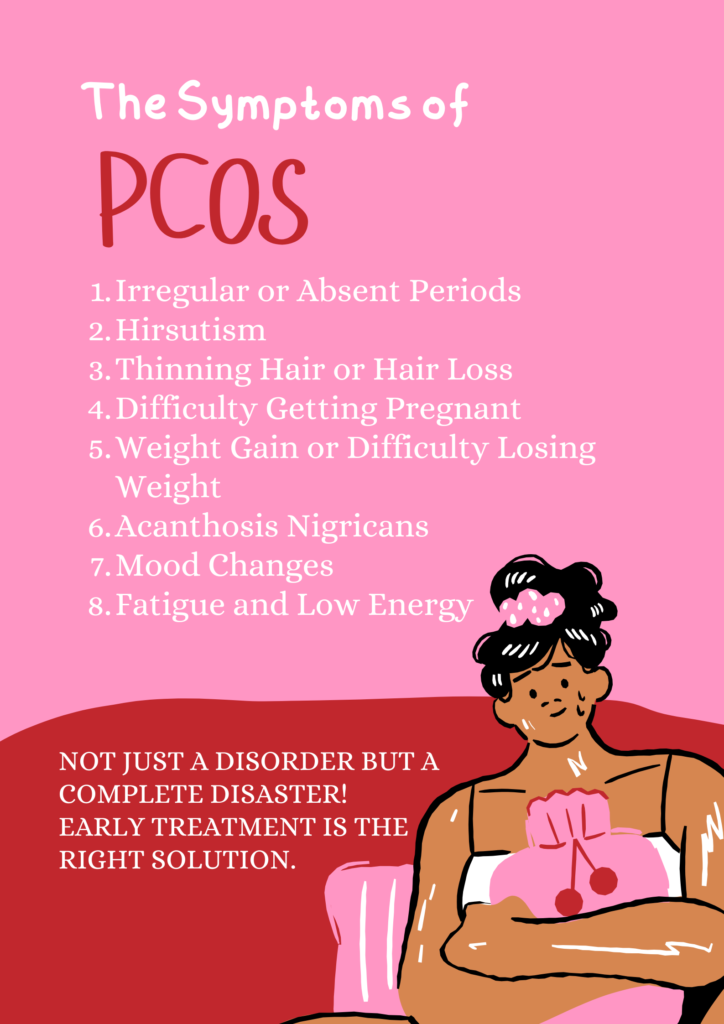
Anovulation, ovarian cysts, and metabolic changes that affect women are the hallmarks of PCOS, a wide endocrine disorder. Disturbances in typical androgens, mainly the testosterone, androstenedione, leads to irregular menstruation & even oligomenorrhea which is characterized as unpredictable cycles with menstrual intervals surpassing 35 days. Infertility and metabolic disorder are just two of the many comorbid problems that women with this complicated illness are more likely to experience.
Additionally, anxiety and depressive symptoms are more common in women with hyperandrogenic anovulation. It is challenging to identify PCOS throughout adolescence because the condition’s diagnostic criteria include physiological changes that usually take place during puberty. The treatment of this condition is overarching. Women consuming oral contraceptives to manage their condition are on average, 27 times more likely to experience pelvic floor dysfunction.
In a recent study conducted by our team, we found out that pelvic floor dysfunction was more common in women with polycystic ovary syndrome as compared to without it. The pelvic floor is a complicated mechanical structure consisting of ligaments, pelvic nerves, levator ani, endopelvic fascia and superficial perineal muscles. The pelvic floor aims to support synchronized activity during rectal and bladder emptying.
A multicompartmental dysfunction may occur from damage to the pelvic floor’s structural and functional interconnections. Among the two crippling pelvic floor problems are urinary dysfunction and organ prolapse. The obesity in women suffering from PCOS can most likely surge the chances of occurrence of disorders concerning the pelvic floor. The presence or a surge in the levels of androgens can stimulate the muscles constituting the pelvic floor.
The Diabetes of the Ovaries & its Controlling Cure
Physiology behind this Terminology
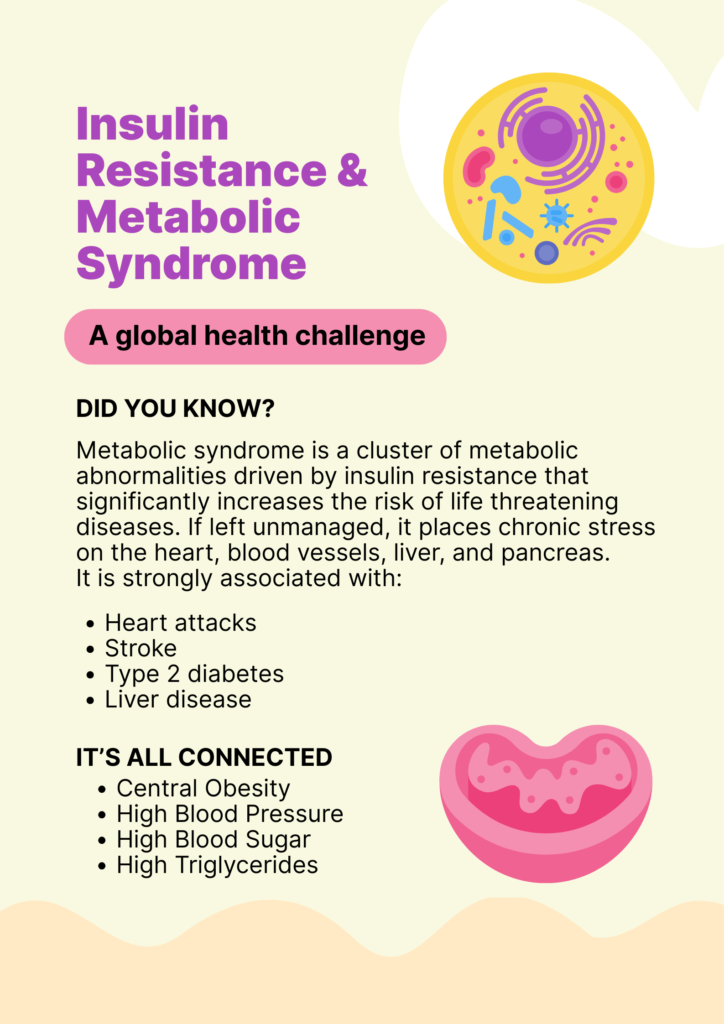
The profound metabolic correlation among PCOS and insulin resistance has been examined in one of the most significant collections of studies on the condition. Researchers have found that women with PCOS not only face difficulty in their reproductive functions but also carry the issue of insulin, which is a hormone responsible for regulating the blood sugar levels in the body. Insulin facilitates the uptake of glucose by cells for energy in an optimal metabolism. In proper metabolism, insulin aids cells in absorbing glucose for energy.
However, with PCOS, regardless of whether sugar levels in the blood are adequate, the body fails to make effective use of insulin. This causes the pancreas to produce more insulin, and the subsequent hyperinsulinemia, which is characterized by excess insulin in the blood, not only fails to optimize glucose utilization, but also immediately stimulates the ovaries to produce greater amounts of androgens such as testosterone, hence exacerbating the traditional signs & symptoms of polycystic ovary syndrome such as cycles that are not regular, acne, and hirsutism.
The study, Insulin resistance, polycystic ovary syndrome, and type 2 diabetes mellitus, underscores that insulin resistance in PCOS is an integral component of both the hormonal and metabolic disarray that define the illness, strikingly similar to the function of insulin resistance in diabetes.
A different area of scientific inquiry goes beyond simply noticing that insulin resistance develops in PCOS; it delves more thoroughly into understanding why the insulin transmission system breaks down in women with the disorder. Research into the underlying physiology of these mechanisms titled Polycystic Ovary Syndrome, Insulin Resistance, and Molecular Defects of Insulin Signaling, has revealed that many of the obstructions regarding the way cells interact with insulin in PCOS are comparable in nature to the post receptor activation complications identified in type 2 diabetics. In simple terms, the dilemma doesn’t appear to simply that the body grows resistant to insulin rather the structures within the cells that respond to it are also altered.
This causes a reparative increase in the insulin levels, which in turn places an impact on the theca folliculi cells of the ovaries that are the androgen precursors. This leads to a massive production of the androgens in the body. So, what will be the result? The outcome will be the production of a biochemical cascade in which insulin resistance immediately plays a part in both reproductive & metabolic impairments of the syndrome.
Studies have additionally demonstrated that drugs that boost insulin sensitivity, such as metformin and other insulin sensitizers, not only reduce insulin resistance but also enhance ovulation and consistent hormonal cycles, reinforcing the notion that insulin resistance is not only associated with polycystic ovary syndrome but also contributes to its development and persistence.
More recently published research into PCOS has gone above merely associating insulin resistance; it additionally helped investigators grasp the way it intercommunicates with the normal ovarian hormone synthesis loop. These results suggest that whenever insulin resistance develops, it does not simply lie around; instead it reacts on the production of androgen and other metabolic parameters to form a “devastating cycle.”
Increased insulin levels cause the ovaries to release extra androgens, which contributes to increased resistance to insulin and metabolic mismatch. This vicious circle affects more than simply glucose usage; it becomes a defining hallmark of polycystic ovary syndrome, linking metabolic dysfunction to reproductive failure.
As a result, while PCOS is not textbook defined as ovarian diabetes, the pathophysiological features are quite similar: improper insulin communication, emendatory hormonal cycles of feedback, and an influence on the functioning of the ovaries. This is conforming to the fact why numerous endocrinologists as well as metabolic specialists refer to PCOS in terms similar to diabetes: insulin dysregulation and its influence on the ovaries aids in addressing the two reproductive and metabolic indications in an arrangement that matches the “diabetes of the ovaries” analogy. Insulin resistance in polycystic ovary syndrome phenotypes and the vicious cycle model in its etiology
The Importance of Women’s Health Rehabilitation
Women’s health rehabilitation continues to be among the most underappreciated cornerstones of healthcare in numerous regions of the globe, not merely due to a lack of evidence, but because knowledge of it remains low. For generations, illnesses such as PCOS have been treated almost solely with medication and symptom control, with the physiotherapy aspect being disregarded & considered unimportant. What many individuals fail to understand is that physiotherapy and regimented rehabilitation can have a direct impact on the systemic, hormonal, and endocrine disorders leading to PCOS.
People are still afraid to talk about their reproductive health in the society especially the males as it might be taken as a blow to their masculinity. The physiology underlying physiotherapy is based on neuroplasticity and muscular development. The neural networks become more effective, muscle fibers get stronger, and control over bladder, bowel, and pelvic stabilization increases when muscles are frequently engaged through contractions and relaxations. In the long run, this helps patients regain functionality and confidence in their everyday lives by restoring balance and decreasing malfunction. Read more at 7 Critical Exercises to Rebuild your Pelvic floor
The Targeted Rehab for Polycystic Ovary Syndrome
Menstrual Cycle
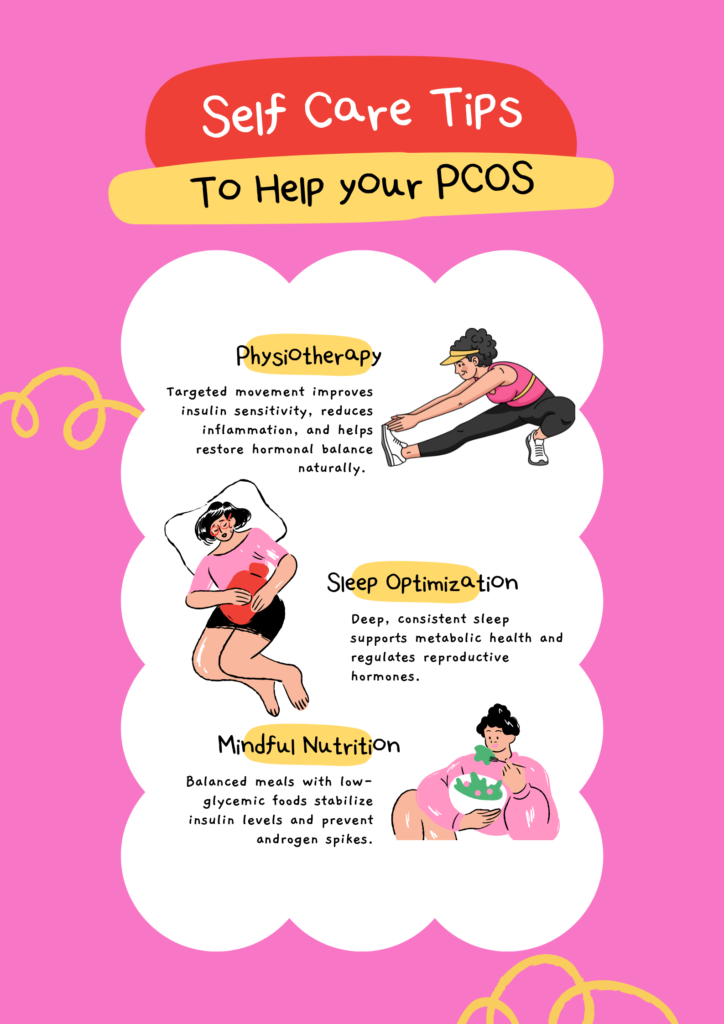
Planned exercise has been demonstrated to enhance insulin levels and balance of hormones in women with PCOS, hence regulating the cycle of menstruation and boosting ovulation. Aerobic exercise and cardiovascular activity along with resistance training within the framework of a rehabilitation regimen have been linked to increased tolerance to insulin and decreased androgen levels both important elements in resuming more consistent periods. A Systematic Review of the Effects of Exercise on Hormones in Women with Polycystic Ovary Syndrome
Acne, Hirsutism & Alopecia
Numerous investigations have found that strong cardiovascular exercise and planned physical activities improve the resistance to insulin & because elevated insulin level promotes elevated androgen synthesis, exercise subsequently decreases levels of androgen such as testosterone, which helps to diminish hyperandrogenic signs gradually. A Systematic Review of the Effects of Exercise on Hormones in Women with Polycystic Ovary Syndrome
Inability to Reduce Weight
Exercise training, including aerobic and resistance, optimizes the composition of the body, reduces fat deposits, and enhances lean muscle mass in PCOS women. This promotes metabolic wellness by improving idle energy use and the transport of glucose into muscles, hence reducing visceral fat, which leads to PCOS aggravation. Effects of physical activity in women with polycystic ovary syndrome: a systematic review and meta-analysis
Resistance to Insulin & Development of Type 2 Diabetes
PCOS is profoundly correlated with insulin resistance & also labelled as the Diabetes of the Ovaries in modern science. Research found that intermediate to strenuous exercise has been demonstrated to increase the sensitivity to insulin without leading to major weight reduction. Strength training and aerobic exercises such as walking, cycling & swimming assist the muscles in absorbing glucose quicker, thereby lowering circulating insulin and the metabolic stress that contributes to both PCOS and eventual type 2 diabetes risk. The Effects of Different Exercises on Insulin Resistance and Testosterone Changes in Women with Polycystic Ovarian Syndrome: A Network Meta-Analysis Study
Low Energy Levels & Fatigue
Personalized physiotherapy regimens that incorporate aerobic exercise, strength training, and functional mobility in graded levels help boost the cardiovascular fitness as well as endurance. This lowers the metabolic strain and exhaustion that numerous women with PCOS suffer, resulting in greater levels of energy throughout the day. Exercise in general helps keep the body & mind active. Effects of physical activity in women with polycystic ovary syndrome: a systematic review and meta-analysis
Anxiety & Stress along with Mood Changes
Women with Polycystic ovary syndrome often experience mood changes as well as anxiety due to the constant changes in the body. Many rehabilitation plans include movement therapies like yoga and mindful exercise, which research suggests can improve both hormone profiles and quality of life by reducing stress; a major contributor to dysregulated insulin and cortisol levels in PCOS. The Effects of Different Exercises on Insulin Resistance and Testosterone Changes in Women with Polycystic Ovarian Syndrome: A Network Meta-Analysis Study
Physiotherapy is not Optional, It’s Mandatory!
Physical therapy has evolved from an afterthought in women’s treatment; it is an essential component in addressing complicated medical conditions such as Polycystic Ovary Syndrome. Physiotherapy reduces the primary symptoms of PCOS by directly tackling resistance to insulin, fluctuating hormones, chronic inflammation, and emotional instability, rather than simply hiding them.
At the precise same time, women’s wellness physical therapy is crucial for tackling pelvic floor disorder, a commonly ignored condition in women with hormone disorders that can lead to discomfort, bladder or bowel issues, and decreased quality of life. As incorporated into recovery, rehabilitation bridges the division between medical therapy and actual recuperation, promoting not only metabolism and reproductive wellness, but also regaining strength, functionality, and optimism.
This article has been written by a Physical Therapist and provides general guidance on physical health & exercise. While it is grounded in professional expertise, it is not a substitute for individualized medical advice. If you are experiencing pain, specific symptoms, or have an underlying medical condition, please book a 1 on 1, 30 minute consultation with our expert physical therapist for a personalized assessment & tailored recommendations.