
Did you know that physiotherapy can now be administered to critically ill patients without a physiotherapist being onsite? When we speak of tele rehab we really mean by availing the use of technology in rehabilitation of patients, making the work more manageable & easy to carry out. Tele-rehab is defined as the use of wearable devices or specialized softwares to deliver the protocols of rehabilitation. Tele-rehab is not just rapidly shifting the physiotherapy industry, but it is additionally being employed more and more in intensive care units to deliver prompt and efficient treatment to patients. Let’s dive into the astounding future of tele physiotherapy in ICU.
Table of Contents
ToggleThe term “tele-physio” describes the provision of physical therapy services from a distance using digital tools such as wearable technology, video conferences, sensors, and artificial intelligence. Tele physiotherapy makes rehabilitation simpler to access, particularly for people with mobility impairments or who live in distant places, by enabling therapists to evaluate, counsel, and track patients remotely, in contrast to traditional physiotherapy, which requires patients to participate in sessions personally at a medical facility or hospital.
Healthcare facilities have begun to utilize Tele-Physio devices to improve patient care. For example, wearable motion trackers give comprehensive information on a patient’s movement patterns, guaranteeing that exercises are performed appropriately; video calling applications facilitate in live discussions and exercise guidance; and remote vitals recording enables physiotherapists to track blood pressure, oxygen saturation, or heart rate throughout treatments, providing a further layer of assurance for patients at increased risk. Tele-Physio provides a contemporary, effective, and individualized means of rehabilitation by integrating multiple technologies.
But the real question is, Does using Tele-Rehab really help in the assessment, evaluation & treatment of patients in ICU? Or is it limited to the clinic settings?
Tele-Rehab in ICU: The use of Modern Technology in Critical Care
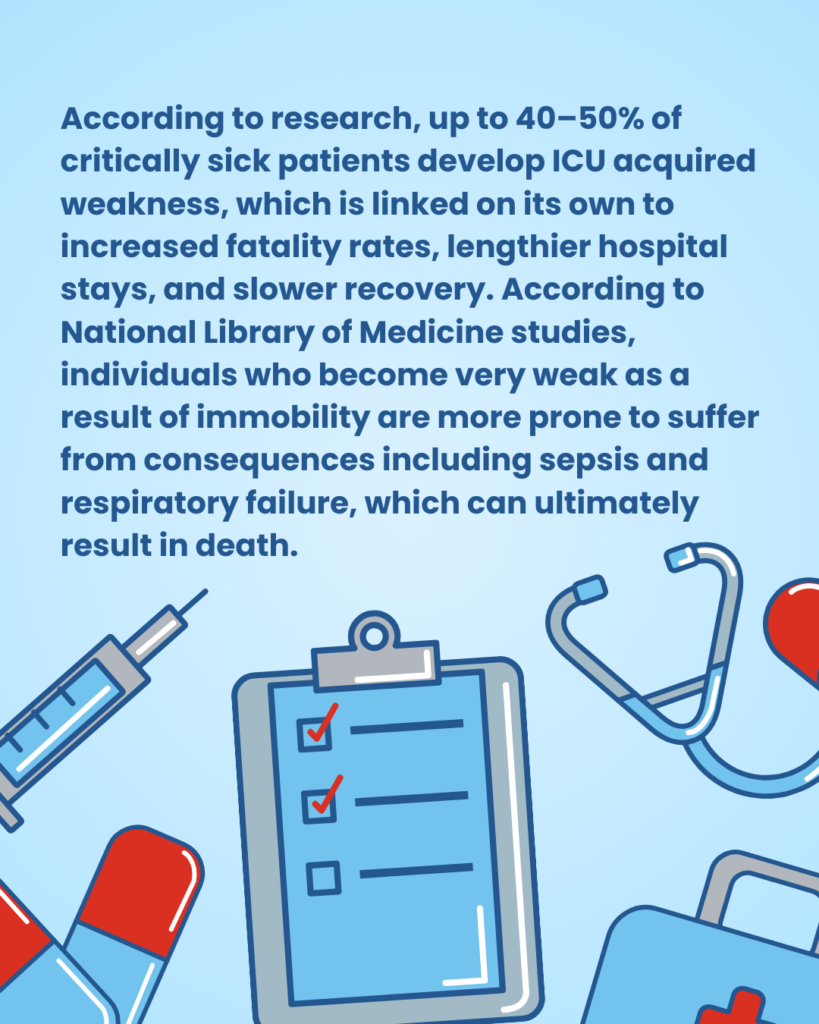
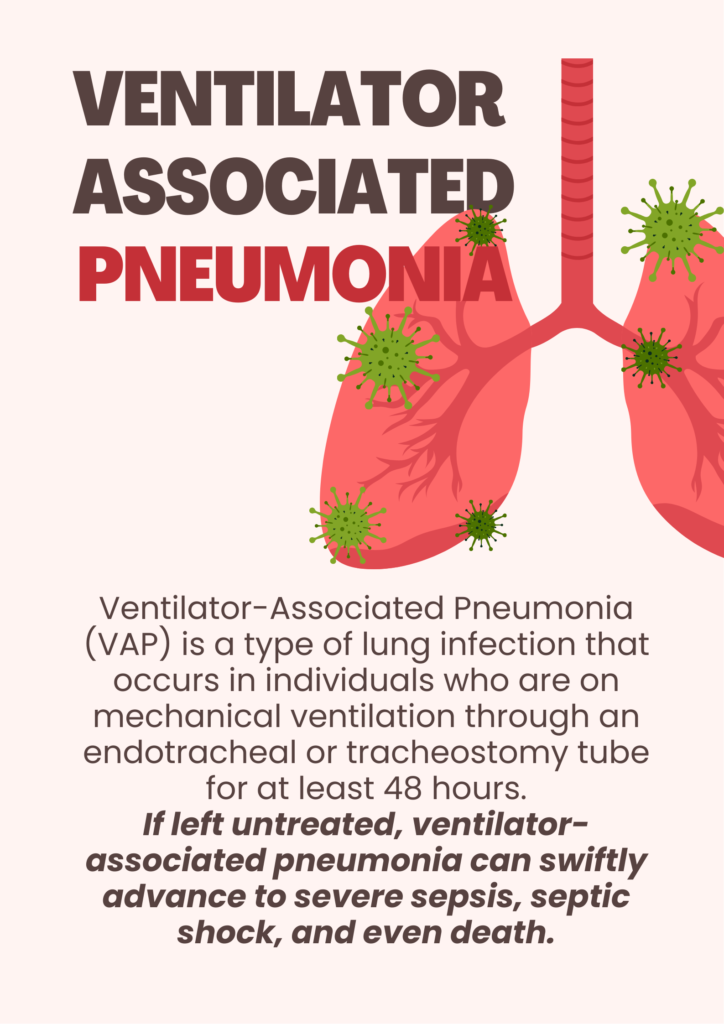
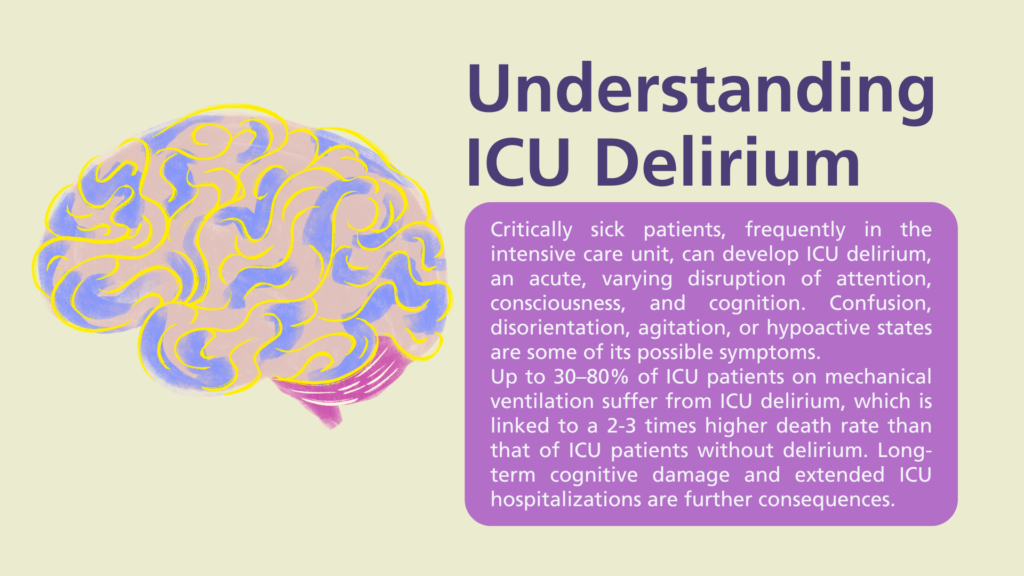
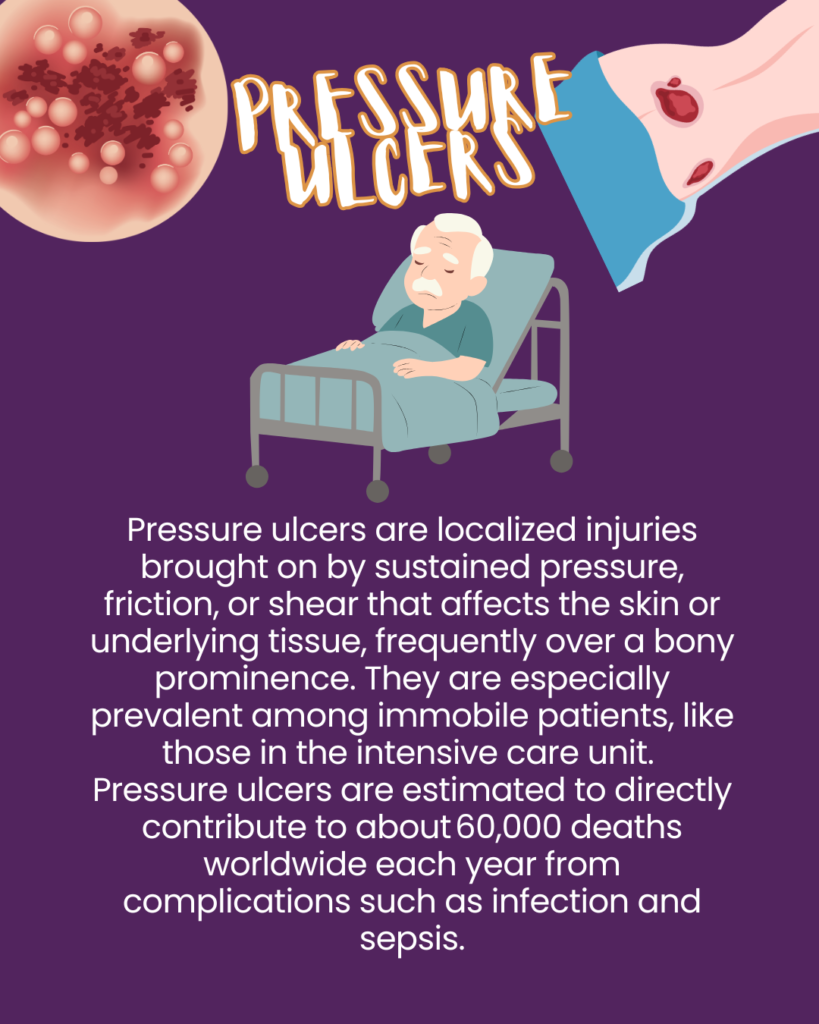
Tele physiotherapy equipment has the potential to revolutionize the initial rehabilitation and ongoing patient supervision in the ICU. Patients in critical condition are particularly vulnerable to abrupt wasting of muscles, developing pressure sores, & inspiratory complications especially if they are on ventilators, had any cardiac surgical procedure, or are recuperating from an episode of cerebrovascular accident.
Although the physical accessibility of physical therapists is constrained in tele physiotherapy approaches, they still can advise the patient regarding bedside movement therapy via encrypted virtual oversight, and wearable sensors that detect movement can measure minor but important movements like assisted sitting endurance or limb engagement.
Tele physiotherapy adaptations are dynamic and dependent on the patient’s response at the time of the session; they are neither preset nor prearranged. Additionally, remote cardiovascular tracking, which includes heart rate, arterial blood pressure, saturation of oxygen, and respiration rate, guarantees the prompt detection of any clinical imbalance during rehab.
Continuous monitoring is essential in intensive care units (ICUs) since even slight variations can indicate major problems. Physiotherapists may provide secure, personalized rehabilitation while reducing risks, maximizing recovery intervals, and assisting the interdisciplinary intensive care unit treatment by combining Tele-Physio technologies with contemporaneous vital monitoring.
The Incorporating Devices
The delivery of critical care has undergone a significant change because of technologies like zMed Tele-ICU, which transcend physical borders to establish a completely interconnected intensive care unit territory. The delivery of critical care has undergone a significant change because of technologies like zMed Tele-ICU, which transcend physical borders to establish a completely interconnected intensive care unit.
Every ICU patient in this configuration is equipped with sensors that constantly track critical information, including heartbeat, the saturation level of oxygen ventilator configurations and circulatory waveforms, and then disseminate it in immediate fashion to a command and control unit. In addition to this, remote experts can immediately evaluate the individual’s condition, watch motions, and speak with on site personnel immediately thanks to advanced video and audio devices placed at the patient’s bedside.
The capacity of these systems to reinforce a model of concerted healthcare is what gives them even more potency. These technologies’ capacity to develop a model of concept healthcare is what gives them even more potency. Virtual ICU sessions, automatic alert responses, and bedside crew guidance are all possible with remote experts, almost as if they were positioned just in front of the patient. In actuality, contemporary tele-ICU configurations enable physicians to monitor numerous patients at once, zooming in for in depth visual evaluations, and take prompt action when minute changes in physiological function are noticed.
This guarantees that no warning indication is overlooked and speeds up taking decisions. This bridges the disparity among technology and practical physiotherapy by enabling a therapist to securely direct mobilization, evaluate compliance, and modify therapies in the present moment for treatment in intensive care units.
Another such technology system includes T3 Platform that is modifying ICU care by transforming massive patient data feeds into insightful clinical knowledge. A single patient in a normal intensive care unit (ICU) produces enormous volumes of data every second, from test findings and prescription details to vital signs and ventilation settings. The difficulty hasn’t ever lain in finding data, instead it was in effectively interpreting it.
As opposed to evaluating dispersed data throughout multiple gadgets, the T3 platform combines all of these bits of information into just one, cohesive user experience, enabling doctors to see patterns and developments in contemporaneous fashion.
This system’s utilization of sophisticated statistical analysis of risks is what makes it so potent. The platform uses physiological frameworks and predictive markers which constantly review the patient’s state and anticipate any worsening rather than just showing statistics. It can figure out the probability of issues even before they’re evident.
As a result, tiny variations that could normally go undetected in a hectic intensive care unit are identified promptly, providing physicians with a crucial window of opportunity to take action. The aforementioned algorithms are actually evidence based and quite sophisticated because they were created employing massive databases that included countless minutes of tracking patient data.
The Astounding Future of Tele Rehab in ICU
The foundation of tele-physiotherapy in intensive care units is made up of instruments like digital inspection devices and video conferencing equipment, which are quite basic in comparison to advanced statistical technologies. Ipads or specialized telemedicine carts with cameras that are highly detailed and own encrypted software for communication are frequently placed at the bedside in contemporary intensive care units.
Physiotherapists and other distant professionals can participate in live discussions, visually evaluate the patient’s state, and direct bedside professionals via treatments thanks to such tools. A physiotherapist can assess vital elements during initial rehabilitation, such as respiratory rate & patterns, limb mobility, chest expansion, and even patient attentiveness & orientation, using video captured in real time.
Research on tele-ICU approaches has demonstrated that these virtual consultations facilitate quick medical choice making and enhance the availability of specialized treatment, especially in circumstances in which physical competence might be scarce. Another in trend telemedicine technology is the use of tele-tethoscopes that can be employed to rule out the auscultation sounds such as stridor, wheeze, crackles etc & report them to the available doctor in ICU.
This is particularly helpful for intensive care unit patients, as minor variations in lung sounds such as crackles or decreased air entry, may signal issues like atelectasis or secretion accumulation, both of which are directly related to the treatment of physical therapy. Electronic stethoscopes are a helpful supplement to virtual intensive care unit rounds since telemedicine research has shown that they can consistently deliver audio of excellent quality for remote medical diagnosis and supervision.
With the use of these technologies, a physiotherapist can proactively engage in treatment of patients over a distance, going beyond simple inspection. For instance, in a tele-physio session, the physical therapist may instruct active assisted or passive exercises to improvise the overall mobility & prevent the chances of developing pressure sores, teach ICU personnel how to make postural drainage positions after nebulization to mobilize the secretions, and simultaneously use audio and visual feedback to track the patient’s overall respiratory responsiveness.
In order to minimize ICU-acquired disability and improve general recuperation results, this technique guarantees that rehabilitation can start immediately despite the absence of physical participation. Thus, basic telemedicine capabilities are more than just instruments for connectivity; their use is essential for facilitating rapid, safe, and efficient physical therapy in the intensive care unit.
What to expect from Tele Physiotherapy
Despite its obvious benefits with respect to convenience, prompt treatment, and continuous surveillance, tele-physiotherapy in the intensive care unit has certain drawbacks. One of the biggest obstacles is the absence of direct interactions, which is still essential to physiotherapy, particularly for methods like manual treatment, bronchopulmonary hygiene techniques, and accurate motion encouragement.
Relying on technological advances also raises constraints such as the availability of equipment, communication problems, and the requirement for skilled personnel at the bedside to accurately execute orders from a distance. The confidentiality of information and the reliability of assessments carried out remotely in comparison to physical examinations are further factors to take into account, especially when dealing with patients that are extremely volatile or complicated.
The emergence of tele-rehabilitation, nevertheless, represents a noteworthy and encouraging change in the physiotherapy industry given these obstacles. Even in areas of critical care like the intensive care unit, tele-physio is gradually growing in importance due to ongoing developments in wearable tracking, electronic wellness, and immediate information technologies.
Its use within such complex environments is indicative of a shift towards enterprising, easily available, and evidence based treatment plans, in addition to novelty. Tele-physiotherapy is a significant advancement in contemporary physiotherapy practices since it has the capability of enhancing patient experiences, facilitating overall reasoning & decision making, and closing loopholes in the delivery of healthcare as such technologies develop.
Artificial intelligence is now one of the most revolutionary aspects of cardiac rehabilitation as well, which has advanced much beyond its conventional exercise centered concept. AI is already changing ways patients are tracked, evaluated, and assisted during their recuperation process by providing previously unattainable immediate information inspection, customized workout recommendations, early problem diagnosis, and remote monitoring. Read AI Devices as an Investment in Cardiac Rehabilitation
This article has been written by a Physical Therapist and provides general guidance on physical health & exercise. While it is grounded in professional expertise, it is not a substitute for individualized medical advice. If you are experiencing pain, specific symptoms, or have an underlying medical condition, please book a 1 on 1, 30 minute consultation with our expert physical therapist for a personalized assessment & tailored recommendations.
Pingback: Empowering Use of AI in Burn Rehabilitation -
Pingback: Can AI Devices Help in Cancer Recovery? -