
Among the greatest complicated and devastating illnesses of the twenty-first century is cancer. Globally, survival rates have significantly increased due to advancements in chemotherapy, radiation therapy, immunotherapy, surgery, and diagnostics. However, overcoming malignancies frequently signifies the start of a new stage of rehab and prolonged functional recuperation rather than the finalization of ailments. While AI is significantly taking over the world as well as medicine, the real question stands, can AI devices help in cancer recovery? Let’s find out.
Table of Contents
ToggleEven though cancer therapies can save lives, they can have a negative effect on the biological systems of the body, mental health, and entire standard of existence. Lethargy, muscle weakness, soreness, decompensation, cognitive impairment, and anxiety are common complaints that numerous individuals endure for weeks or even years after therapy is concluded.
In order to counteract these consequences and assist people rebuild their vitality, freedom of movement, and autonomy, rehabilitation is essential. Historically, in-person treatment has always been used to provide rehabilitation. Nevertheless, virtual provision of physical therapy treatments using digital technology, known as tele-rehabilitation or tele-rehab, has become a potent weapon in oncology management in modern times.

Cancer Comprehension & Effects on Human Function
Understanding the impact of cancer and the overall effect of its treatment therapy on the human body, it is essential to appreciate the benefits of tele rehabilitation.
The Systematic Impact
Cancer affects more than one system; it can impact several organs in the body. Regardless of the type of cancer, breast, pulmonary, colon, bowel, prostate, or head and neck, the underpinning disease mechanism and its management might have an influence on:
- Central Nervous System – sensory neuropathic disorders especially due to prolonged episodes of chemotherapy
- Musculoskeletal System – muscle atrophy along with lack of strength & endurance, metastasis of bone
- Cardiovascular System – chemotherapy is known to cause cardiotoxicity leading to various diseases
- Respiratory System – diminished lung capacity & functioning due to strong and prolonged radiation time span
- Mind Wellness – the “chemo brain” effect with episodes of depression, cognitive decline & anxiety
Operational limitations, which are characterized as restrictions in the capacity to successfully carry out everyday activities like strolling, ascending stairs, transporting goods, or taking care of oneself duties, might result from these impacts. Additionally, they have a substantial impact on standard of life quality, frequently greater than the disease itself.
Recurrent Comorbidities and Functional Repercussions Associated with Cancer
Recovery is often made more difficult for cancer survivors by coexisting medical issues. Among the most prevalent comorbidities are:
- Fatigue & weakness – An intense and enduring feeling of tiredness that is out of proportion to recent activities
- Lymphedema – Lymphatic system damage leading to swelling and accumulation of fluid (more common after breast cancer)
- Neuropathy – Tingling, Numbness, Freezing, Pins and needles sensations around hands & feet
- Cognitive Decline – The inability to comprehend, decline in the executive functioning, limited attention span & memory loss
These problems interconnect and worsen each other, rather than existing in a vacuum. For instance, weariness brought on by cancer may exacerbate mobility issues, leading to increased immobility and greater disability.
Barriers to Physical Therapy Following Chemotherapy
Accessibility to conventional oncological physical therapy is still a major obstacle for numerous patients, given its proven significance in enhancing operational outcomes and standard of living. Geographical restrictions are a significant obstacle, especially for those who reside in impoverished or rural locations with limited or nonexistent access to specialty oncology rehabilitation programs.
Furthermore, immunosuppression throughout radiation therapy, chemotherapy, or after bone marrow transplantation makes patients more susceptible to infections and discourages repeated visits to physiotherapists for therapy. During international health emergencies like the COVID-19 pandemic, this worry became very apparent, underscoring the necessity for more secure, standardized remote healthcare options.
Additionally, commuting to rehab centers can be mentally and physically draining due to tumor-associated exhaustion, discomfort, and functional difficulties. Several individuals are unable to make it to routine in-person appointments due to acute tiredness, physical weakness, or underlying medical concerns. Persistent rehabilitation is challenging to maintain due to monetary expenses such as medical expenses, commute expenditures, and missed job days.
When taken as a whole, these obstacles highlight the need for creative and easily accessible medical services alternatives, opening the door for virtual physical therapy as a successful and patient-centered substitute in contemporary oncology care.
What really is Tele Rehabilitation?
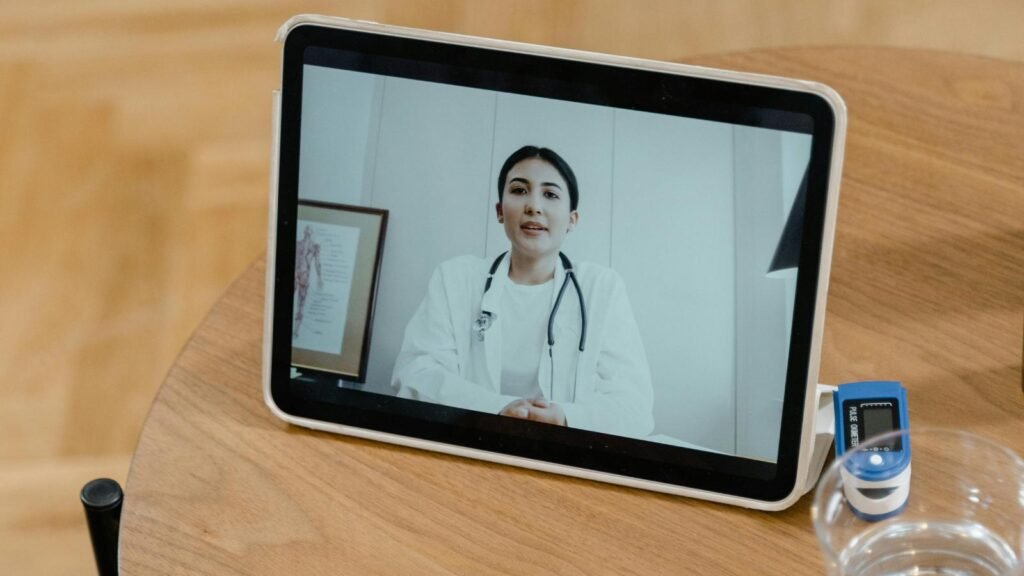
The term “tele-rehabilitation” describes the use of electronic communication technology to provide rehabilitation treatments remotely. It consists of a variety of devices & equipments such as:
- Synchronous therapy – live in person appointments with patients through video chats
- Asynchronous therapy – pre-recorded videos related to the exercises, management techniques that can be easily followed by the patient with precautions
- Mobile Apps – for tracking overall health performance, carrying out exercises & providing education to the patient regarding their current situation
- Wearable Sensor Detectors – for monitoring the movement & overall health status of the patients
- AI Enhanced Feedback Systems – analyzing patient performance in real time to give guidance & rehab recommendations accordingly
Can AI Devices Help in Cancer Recovery?
While we have been discussing the role of tele rehabilitation in ICUs enhancing the effects of modern rehab, for burn patients & cardiac centers, it’s time to reflect on its uses in the world of oncology. Benefits of tele-rehabilitation in oncology include a variety of programs.
Tele Physical Therapy
The focus of remote physiotherapy is:
- Building muscle strength & endurance
- Enhancing gait pattern
- Improvements in dynamic balance
- Boosting mobility
- Diminishing discomfort
To track outcomes, therapists employ workout monitoring, remote coaching sessions, and video evaluations.
Tele Exercises
Digital platforms can be used to deliver structured fitness regimens such as:
- Aerobic strengthening
- Resistance exercises
- Stretching exercises
- Reactive Balance strategies (incorporating hip, ankle strategy)
Physiotherapists can easily assess the level of intensity, compliance, and symptomatic reaction through the use of wearable trackers and app-based reporting.
Tele Occupation
Patients are assisted via remote OT in:
- Modifying functional tasks
- Using self-care to increase independence
- Changing living spaces to lower the risk of falls
- Enhancing everyday performance using adaptive tools
Tele Cognition Support
Additionally, tele-rehab comprises:
- Cognitive therapy for individuals suffering from “chemo brain”
- Behavioral treatment for depressive disorders, anxiety, and adjustment problems
- Webinars for guidance and assistance
Scientific Evidence that Supports the Tele Rehab in Oncological Care
Enhancements in Physical Performance
Tele-rehabilitation therapies can dramatically enhance functional endpoints for cancer patients and survivors of cancer, according to an increasing number of scientific trials and systematic reviews. Enhanced cardiorespiratory fitness, improved muscle strength, and fewer mobility restrictions are some of these gains. When contrasted in relation to standard or usual health services, remote exercise-based rehabilitation programs, especially those provided through telehealth systems, have demonstrated quantifiable improvements in operational capability.
Research indicates that systematic tele-exercise programs that include counseling and surveillance are beneficial for patients with cancer, particularly individuals with conventional breast tumors, colorectal, and prostatic malignancies. Crucially, tele-rehabilitation is additionally linked to persistent functional benefits, thereby promoting long-term rehabilitation and mobility instead of transient benefits.
Decrease in Fatigue Associated with Cancer
Among the extremely common and crippling side effects of standard cancer therapy is weariness. Studies show that tele-rehabilitation, especially exercise-based therapies given remotely, significantly lowers cancer survivors’ symptoms of weariness & lethargy. Given their accessibility, at-home tele-exercise regimens increase commitment by enabling individuals to participate in physiotherapy without having to deal with the additional organizational and physical challenges of commuting to medical institutions.
Spontaneous feedback, centralized tracking, and ongoing support from professionals also boost enthusiasm and guarantee proper workout efficiency, each of which improve handling of symptoms and lessen the intensity of weariness.
Patient satisfaction and feasibility
The viability, security, and appropriateness of virtual rehabilitation in conventional cancer therapy are continuously supported by studies. Research shows that there is little chance of negative outcomes when tele-rehab therapies are applied to a variety of cancer patients and therapeutic phases. Due in great part to the ease, connectivity, and individualized characteristics of virtual healthcare, substantial percentages of satisfaction among patients have been successfully documented.
Additionally, tele-rehabilitation is appropriate for a broad spectrum of individuals due to its adaptability to varying degrees of physical capability and medical condition. For thorough evaluation and customized measures, many people indicate an affinity for a combination of methods that blends tele-rehabilitation with recurring in-person appointments.
The Uses & Success of Tele Rehab in Cancer Recovery
- Breast Cancer – Reduces lymphedema/swelling, helps improve shoulder joint mobility post surgery, reduced pain
- Colorectal & Prostate Cancer – Pelvic floor strengthening, reduced urinary incontinence, improved spine mobility & decrease in pain levels
- Head & Cervical Cancer – Enhancing speech clarity, helping in improving swallowing, eating confidence
Challenges of Tele Rehab
Tele-rehab has drawbacks despite its advantages:
- Knowledge of Digital Health – Training and intuitive platforms are crucial because not every individual is tech-savvy.
- Access to the Internet – Access to dependable broadband is still unequal, especially in economically disadvantaged and rural areas.
- Care Standardization – The best practices for tele-rehab procedures are still being refined by research, and there is no single standard.
- Security and Privacy – Telehealth services must guarantee data security and adhere to medical privacy regulations.
Practical Insights for Implementation
- Make use of user-friendly systems with unambiguous instructions
- Teach patients and caregivers how to use digital devices.
- Integrate periodic in-session evaluations alongside remote care.
- Customize treatment regimens using patient information
- Include physicians, occupational therapists, psychologists, and oncologists in interdisciplinary teams.
The Future of Tele Rehab in Oncology
Tele-rehabilitation is expected to develop significantly due to:
- Intelligent Customization with AI – In order to customize treatments and forecast recovery paths, machine learning can examine patient trends.
- Gaming Augmentation – Particularly for younger survivors, video games methods of recovery boost motivation and participation.
- VR, or virtual reality – Immersion rehabilitation sessions for movement, balance, and cognitive skills are produced using virtual reality settings.
- Electronic Medical Record Integration – Coordinated care is supported by smooth data transfer across EMRs and tele-rehab devices.
FAQs
What is tele-rehabilitation in Cancer care?
The remote delivery of therapy through video calls, recorded sessions, exercise therapy regimens, or monitors to track the progress of the cancer patients is known as tele rehabilitation in cancer care.
Is tele rehabilitation effective in Cancer Care?
Indeed, studies demonstrate that tele-rehabilitation increases standard of living, lessens fatigue associated with cancer, and boosts physical performance. It is regarded as a secure and efficient substitute for or addition to conventional in-person rehabilitation.
Is tele rehab safe for Cancer Patients?
For the majority of cancer survivors, tele-rehabilitation is secure and appropriate. Nonetheless, physical therapists must evaluate every individual to ascertain the best course of action, and therapy strategies shall be customized to meet specific needs with proper precautions.
What types of Cancers can get the most benefit from tele rehabilitation?
For those who have survived tumors in the lungs, breast colorectal, prostate, and head and neck malignancies, tele-rehabilitation has demonstrated substantial advantages, especially in terms of enhancing bodily function and health in general.
Can cancer patients afford tele-rehabilitation?
Because it lowers transportation costs, limits hospital stays, and guarantees efficient utilization of medical facilities while preserving high standards of care, tele-rehab is seen as economical.
This article has been written by a Physical Therapist and provides general guidance on physical health & exercise. While it is grounded in professional expertise, it is not a substitute for individualized medical advice. If you are experiencing pain, specific symptoms, or have an underlying medical condition, please book a 1 on 1, 30 minute consultation with our expert physical therapist for a personalized assessment & tailored recommendations.