
Have you ever experienced a constant phase of muscle pain with no specific origin? A constant feeling of fatigue with no reason whatsoever? Have you ever thought about the real issues within my gut, not the muscles? Well, if you haven’t, now you will because the hidden link between gut health & muscle pain is getting exposed here thanks to the recent authentic evidence. This link is not only important in understanding the etiology of the pain but also for the treatment approach such as physical therapy of chronic pain.
Table of Contents
ToggleWhat is the Connection between Gut & Muscle?
Our gut is made up of trillions of microorganisms known as the gut microbiomes & they function more than being a helping hand in digestion. The gut microbiome, which is made up of billions of microbes, is vital for purposes well beyond digestion. These microorganisms aggressively affect normal inflammatory processes, immunity, as well as the rate at which the human body heals muscles and other components. The moment this physiological balance is disrupted, an overzealous autoimmune feedback and persistent, mild inflammatory responses can occur within the body.
This disturbance is called the gut dysbiosis. In addition to affecting the gut, chronic widespread inflammation can also damage joint and muscle tissues, making them more sensitive to discomfort and delaying healing. Because of this, you could have ongoing muscular soreness or tightness regardless of apparent obvious damage to your body, underscoring the close connection between intestinal wellness and skeletal functioning according to the research.
How Inflammation Can Lead to Muscle Pain?
One of the greatest connections between gut health & muscular pain is the persistent inflammation, a mild but enduring autoimmune reaction that can subtly impact every part of the body. This is confirmed through the research published in nature giving evidence on Intestinal microbiome composition and its relation to joint pain and inflammation.
The credibility of the gut’s lining may be compromised by an unbalanced gut flora, increasing its permeability. This medical condition, more commonly known as “leaky gut,” permits undesirable materials including poisons and bacterium pieces to enter the circulation.
As a result, the body’s defense system continues to be active, generating components that cause inflammation within the entire body. Eventually, this recurrent inflammation may shut off your body’s innate mending mechanisms, intensify the nociceptors, and disrupt the overall healthy functioning of muscles, letting even mild irritation appear severer and persistent.
Toxins are able to reach the circulatory tract through a damaged stomach wall, triggering the immune system to respond. This results in:
- Enhanced sensitivity of the muscles
- Postponed recuperation
- Persistent discomfort
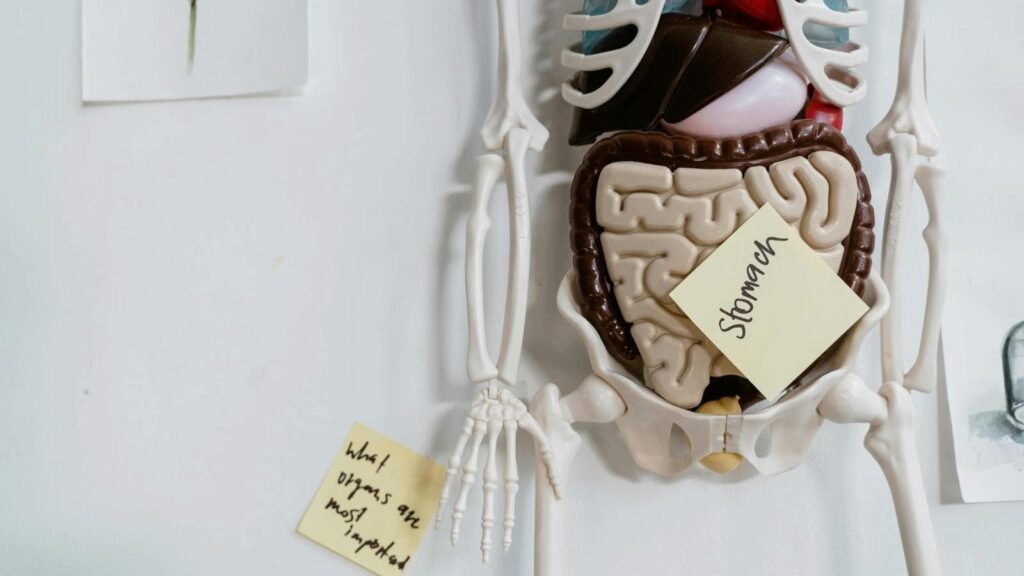
What is Gut-Brain Pain Axis?
The neurological framework and the manner in which the neural system perceives information from its surroundings have a significant impact on acute pain, which is more than just an unpleasant sensation. Through a complicated matrix called the gut-brain connection, which includes the X cranial nerve, neurotransmitters, and immunological communication channels, the gut and mind are continuously conversing.
The exchange of information is regulated by an adequate functioning stomach, which promotes proper sense of pain and appropriate responses to stressful situations. Nevertheless, this feedback system remains imbalanced whenever gastrointestinal health is compromised.
In addition to the absence of serious physical harm, this may alter ways the nervous system interprets discomfort, rendering the entire body more vulnerable. Simultaneously, tightness in the muscles increases, healing slows back down, and levels of cortisol and adrenaline rise, resulting in a vicious sequence where both stress and pain stimulate one another.
Patients may encounter the following whenever this framework is compromised:
- Increased sensitivity to pain
- Weariness
- Tightness in the muscles caused by stress
Why Gut Health and Muscle Pain Connection is Important in Physiotherapy?
Musculoskeletal organs, such as tendons, ligaments, muscles, joints and patterns of motion, are frequently the primary objective of conventional physical therapy. However, localized therapy could fail to be sufficient when agony is caused by widespread inflammation. At this point in time, a more comprehensive approach to rehabilitation seems crucial. For example, 8 Essential Facts to know about Stroke Rehab, illustrates how recovering general physiological frameworks and gaining neurological control is just as important to healing as movement. When treating chronic pain that comes from sources other than the musculature of the body, the same idea holds true.
Correspondingly, Interesting Tidbits about Neuro Rehab, explains how the nervous system works on the principle of neuroplasticity which explains the brain’s capacity to rewire & reshape itself after an insult, supporting the notion that pain is not only caused by damage to the tissues but also has a strong connection to brain-body connectivity. Because of this, current physical therapy practices should focus on the root cause of physiologic as well as neuronal variables instead of merely working on the localized synergy groups. In the absence of addressing inflammatory markers, neurological control, and overall physiological health, pain management will frequently be transient rather than rejuvenating.
Indications That Your Muscle Pain Could Be Gut-Related
Not every muscle ache is caused by an injury. Watch out for:
- Exhaustion even after resting
- Digestive problems (IBS, bloating)
- Unexpected discomfort, ache
- Brain Fog, Confusion
- Widespread or fluctuating pain
The underlying cause may be deeper than muscles when these symptoms coexist.
Sedentary Factors that Affect the Gut-brain Axis Connection
Muscle soreness and gastrointestinal health are frequently made worse by contemporary lifestyle choices:
- Diets that are processed
- Prolonged stress
- Lack of physical activity
- Overuse of antibiotics, or any other medications
It’s fascinating to note that exercise enhances the richness of the gut microbiome, establishing a potent reciprocal relationship linking inner well-being and mobility.
Muscular Recuperation, Gut Wellness, and Nutrition
Your digestive system is vital for the absorption of nutrients needed for muscle regeneration. These include:
- Protein → reconstruction of tissue
- Magnesium → relaxation of the muscle spasms (discussed in Sciatica Diagnosis: Disc vs Piriformis)
- Vitamin D → reduction of inflammation
Despite appropriate activity, healing is slowed significantly whenever the gastrointestinal function is compromised.
The Role of Physical Therapy in the Hidden Link between Gut Health & Muscle Pain: How can Physiotherapy be Helpful?
Physical therapy provides efficient techniques proven with evidence to treat manifestations of a condition and underlying etiologies prior to turning to pharmaceuticals.

Mobility Therapy
Gut motility can be improvised using low intensity mobility drills, walking, light jogging and moderate strengthening techniques as this can help manage the overall inflammation. Apprehending structured and specific recuperation strategies grow significantly in this regard. AI Devices as an Investment in Cardiac Rehabilitation emphasizes the value of periodicity and surveillance in healing by examining how supervised, structured and incremental rehabilitation enhances holistic wellness and recuperation results.
Respiratory & Neuronal Control
Breathing exercises like pursed lip, diaphragmatic breathing, ACBTs helps in activating the regulatory system i.e. the parasympathetic system of the body leading to an increase in the motility function of the gut, hence improving the overall gut function & cutting off the discomfort sensation. Examining the relationship amongst elevated levels of stress, neurological dysfunction, and symptoms of physical illness makes it more evident when you study Menacing impact of OCD & its Rehab Treatment, which emphasizes the way mental strain can have an impact on healing channels and manifest even physiologically in ways that no one can imagine.
Posture & Core Stability Training
A robust core provides functionality for:
- Improved digestive motility
- Less tension on the muscles
- Enhanced blood flow
Additionally, adjustment of posture lessens needless physical stress, which can exacerbate pain caused by inflammatory processes.
Functional Rehab & Manual Therapy
When used in conjunction with comprehensive treatments, manual therapies enhance vascular function, ease tense muscles, and encourage tissue regeneration. Rehabilitation must emphasize on the following rather than individual exercises:
- Full body motion
- Progressive advancement
- Inclusion of lifestyle
Instead of providing short-term respite, this guarantees permanent recuperation.
What should the Physiotherapists Consider during Examination?
Look for muscle soreness & if it:
- Lasts longer than three to four weeks
- Reoccurs irrespective of therapy
- Develops in conjunction with intestinal problems
It’s high time to adopt a broader plan of action.
A physiotherapist who additionally takes diet, psychological stress, and gastrointestinal wellness into account can offer more consistent and beneficial solutions.
Final Reflection
There is increasing empirical knowledge supporting a relationship involving gastrointestinal wellness as well as muscular discomfort, so the concept is far from just a notion.
The human body operates as a networked framework in which:
- Inflammation is influenced by gut health.
- Neuropathy is impacted by inflammation
- Mobility is altered by pain
- Healing is impacted by mobility disorders
Therefore, every time you experience inexplicable muscular discomfort, pay attention to more than simply noticing the area that bothers. Ask a more in-depth query:
“Is there a message coming from my own body that goes past my skeletal system?“
Given that treating your body as one unit, rather than in pieces, is the first step towards complete healing.
This article has been written by a Physical Therapist and provides general guidance on physical health & exercise. While it is grounded in professional expertise, it is not a substitute for individualized medical advice. If you are experiencing pain, specific symptoms, or have an underlying medical condition, please book a 1 on 1, 30 minute consultation with our expert physical therapist for a personalized assessment & tailored recommendations.
Pingback: 6 Exercises to Heal the Posture Breastfeeding Quietly Wrecked -