
While physiotherapy is the solution to your problems post injury, it could also help you prevent some if incorporated in a right fashion. Before we dive into the 10 exercises that can beat down injuries before they occur, let’s look into the new evidence. Potential normal mobility routines, proper positioning, pulmonary function, and the rate of stimulation of muscles now will define your potential injury probability later in life, according to an intriguing new study in mobility science and preemptive rehabilitation. Subtle issues, such as shallow respiration, insufficient stabilizer muscle group, or bad alignment, gradually accumulate and subsequently manifest as discomfort that persists for months.
Table of Contents
ToggleHere’s wherein longevity-oriented physical therapy makes a big difference.
These ten scientifically proven exercises not only increase athleticism but also proactively lower the chance of sustaining injuries, boost motor performance, and promote optimum physical wellness.
Is it possible to prevent persistent discomfort by correcting posture?
The human body reacts to poor postural habits in an aggressive way. Over time, the human body throws itself out of its natural maintained alignment leading to excessive strain on the muscles. This may cause the formation of triggers, increased risk of potential aches, exhaustion, chronic damage as well as ineffective movement routines and spasms with time.
Exercise: Wall Slides / Wall Angels
- Position the person against the wall with his heels, head and upper back touching it
- Ask the patient to tuck his chin
- Hold this position for around 30 to 60 seconds or as per tolerance
- How to perform this exercise safely?
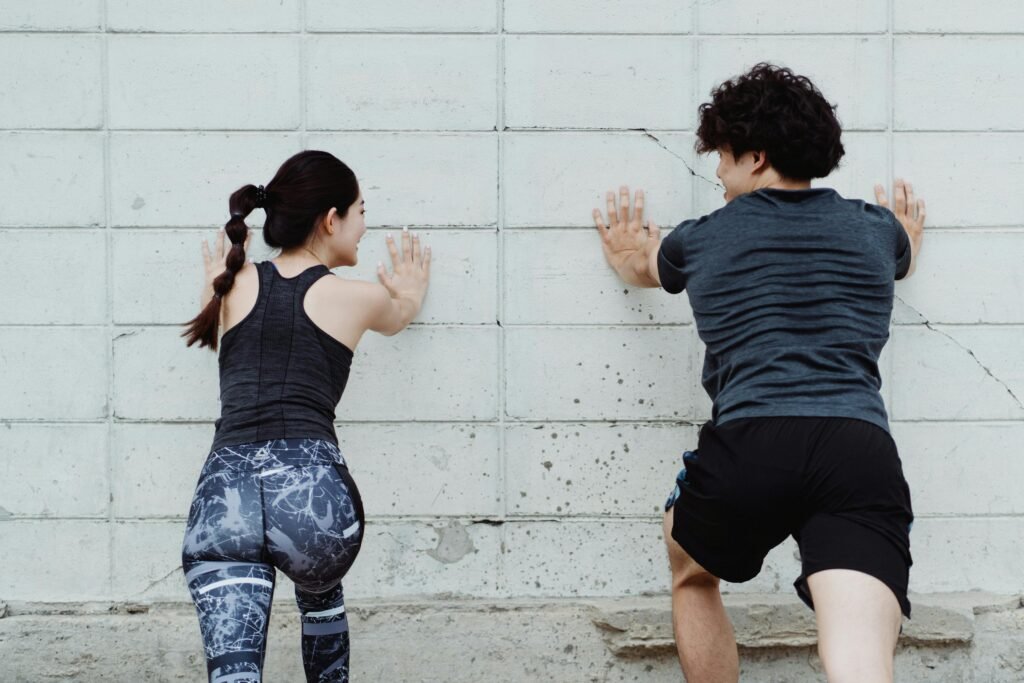
How it functions:
This exercise helps you lessen the strain on the vertebral column by retraining your positional awareness and activating deep postural anchors like the intertransversarii, transverse abdominis, deep internal obliques and multifidus. Muscle stabilization & proper functioning is very important for injury prevention. One of the major cases that highlights this significance is the Disc vs Piriformis case which is necessary in ruling out whether the cause is from the spine or muscles.
Is pelvic floor physiotherapy exclusively only for women?
Most people only begin to enquire about pelvic health when issues like discomfort, leaking, or postpartum recovery occur. The pelvic floor muscle group is essential for preventing incontinence, urgency, providing overall core stability and confidence for both men & women equally. Males receive far less attention than females when it comes to pelvic floor rehabilitation. The argument is that men’s treatment programs are not as notable, reported, or offered, even when incidence is known.
Exercise: Kegals for Male & Female
- Ask the individual to contract and hold his pelvic floor muscles (as if trying to stop the flow of urine)
- Hold for 10 seconds & then repeat 10 times twice daily
- How to perform kegals safely?
How it functions:
A robust pelvic floor helps support the spine by managing the intra-abdominal pressure tendencies. There are a lot of camouflaged secrets regarding this therapy that can fundamentally alter your perspective on confidence, strength, and recovery. To set the record straight, head to 10 Hidden Insights about Pelvic floor Rehab.
What makes your upper trapezius stiffen up all the time?
Your upper branch of the trapezius muscle is constantly overworked when you spend a lot of time on smartphones or computers because you position your head in a forward fashion with elevated shoulders. As underlying supporting musculature deteriorates gradually, this particular muscle tightens and grows hyperactive, leading to misalignment. Such prolonged stress accelerates the creation of trigger sites and decreases vascular circulation, which frequently results in headaches and chronic neck soreness.
As a consequence, this results in rigidity and limitation in the range of motion of the neck muscles along with tension headaches.
Exercise: Stretching the Upper Trapezius Muscle
- Have the individual seated with head tilted to one side (incorporate to each side)
- Gently pull the muscle with the help of opposite hand
- Hold for 20 seconds or as per pain tolerance
- In severe cases of triggers, consult a physical therapist for release.
- To perform self stretching safely
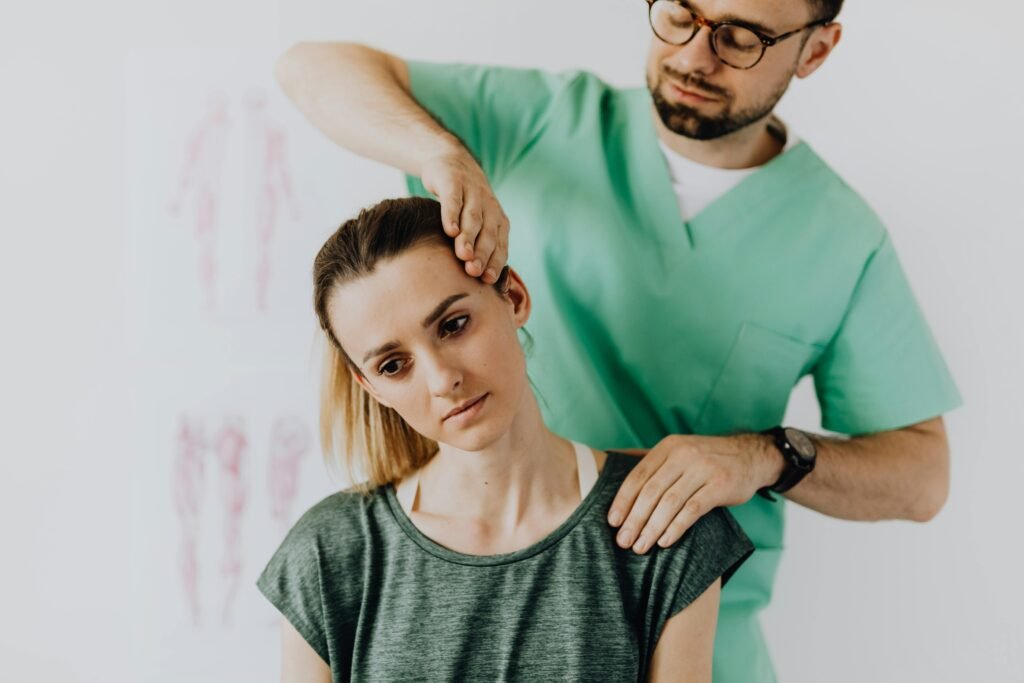
How it functions:
Stretching the upper trapezius helps lower the tension in the muscle and tendons & it helps break the stiffened pattern. Since neck discomfort may originate from muscles, joints, nerves, or even transferred pain from other areas, a precise chronic neck pain diagnosis is essential to successful therapy.
Is it possible to avoid headaches with just one easy exercise?
The answer is yes, especially when it comes to the cervicogenic headaches. These headaches occur as a result of disruption of the cervical spine that leads to a referred head pain. They usually begin near the starting point of the head and radiate upwards, and are frequently associated with incorrect positioning, extended device time, or stiffened neck muscles.
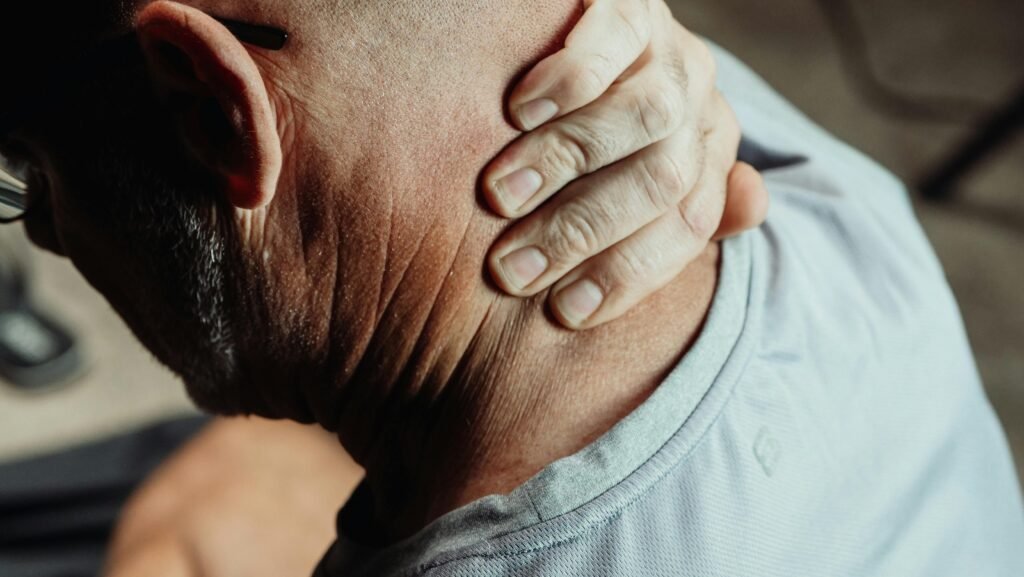
Exercise: Chin tuck ins
- Ask the individual to be in supine or sitting position
- Hold the chin in and back & sustain this position for 10 to 20 seconds
- Repeat this exercise 10 times twice daily
- To perform chin tuck ins
How it functions:
This helps in the strengthening of the deep cervicals & eases the tension in the muscles. Also helps with the forward head posture.
Are you really breathing properly?
The majority of individuals use auxiliary muscles to breathe superficially, which causes stress and lowers oxygenation consumption.
Exercise: Diaphragmatic Breathing
- Ask the individual to acquire semi fowler’s, sitting or supine lying position & place his hand on his diaphragm
- Take a deep inhale from the nose & exhale through the mouth in a way that your hand lifts off
- Repeat 10 times twice daily
- To perform safely
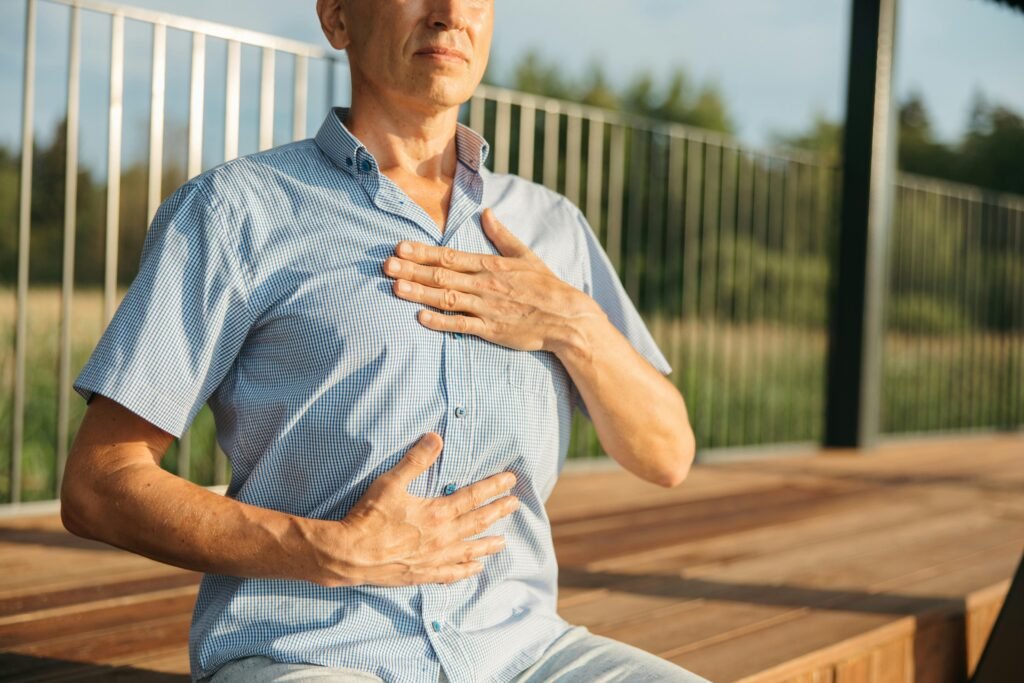
How it functions:
Diaphragmatic breathing helps stimulate the parasympathetic system & lowers the stress levels. It enhances gas exchange and oxygenation, reduces respiratory effort, increases diaphragm mobility, and optimizes respiratory efficacy. Along with this, there are many other exercises that can help recover symptoms of long COVID as well. Head to 5 Best Exercises to Recover from Long COVID for more.
Is aerobic exercise truly necessary to avert injuries?
Of course. Tissue adaptability, vascular function, and recuperation are all enhanced by cardiovascular endurance. It improves vascular productivity, which makes it possible for the musculature and joints in your body to get a constant flow of blood oxygen and nourishment when you’re exercising.
Exercise: Power Walking / Brisk Walking
- Moderate intensity walking for 20 to 30 minutes daily
- You can also perform cycling with moderate intensity
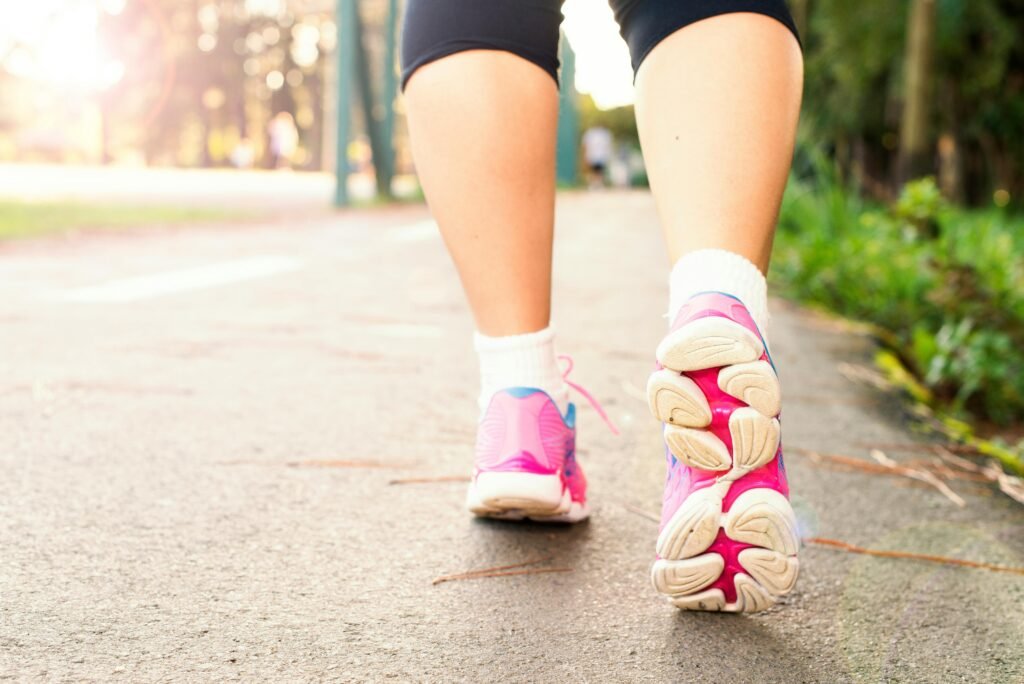
How it functions:
increases tissue circulation of oxygen, lowers chronic inflammation, and boosts overall fitness, all of which are essential for preventing injuries. Artificial intelligence is now one of the most revolutionary aspects of cardiac rehabilitation, which has advanced much beyond its conventional exercise-centered concept.
When we talk about AI devices as an investment in cardiac rehabilitation we mean by the Artificial intelligence, which offers previously unheard of capabilities in surveillance of patients, customized exercise prescription, potential risks detection, and predictive analytics, is also quickly revolutionizing medicine and rehabilitation.
How come your abdominal muscles aren't as powerful as you might believe?
A stable foundation of the core is more pertaining to the extent to which your muscle groups support the vertebral column when you perform movements than it is about having obvious abs. To preserve equilibrium and command, profound muscles like the multifidus and transverse abdominis must cooperate. This stability is also important for reducing strain on the muscles.
Exercise: Supine Abdominal Exercise / Dead Bugs
- Position the individual on their back with their arms & legs up
- Alternate your arms and legs with the opposite one
- Make sure the spine is neutral
- Repeat 5 to 10 times without putting strain on your core
- To perform safely
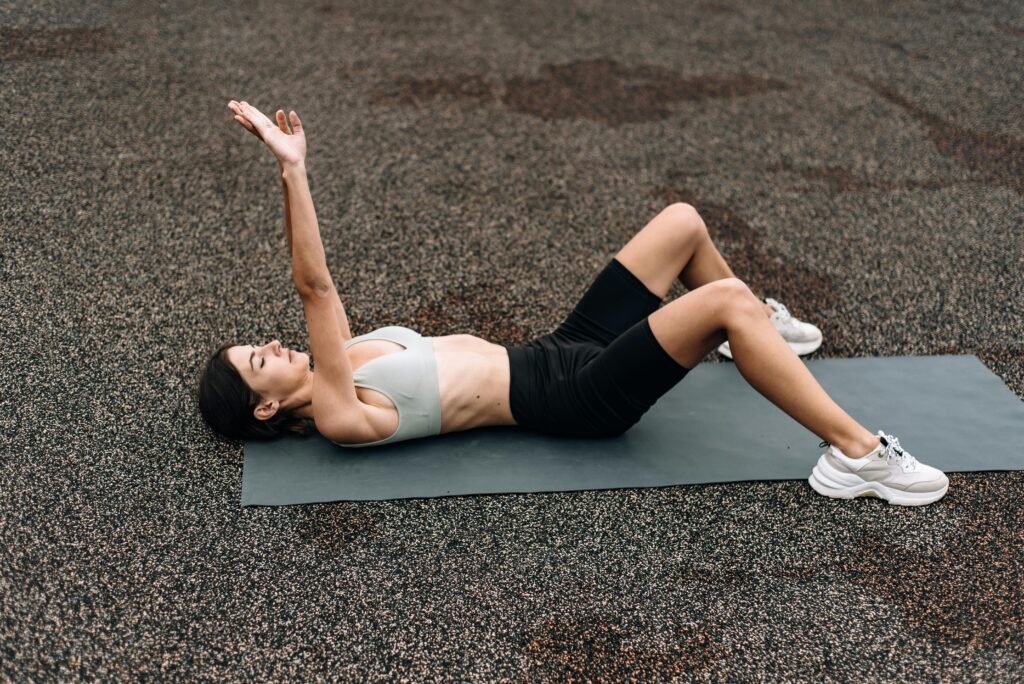
How it functions:
This helps in training the core stability and coordination.
Do you have lower back and knee discomfort that is subtly brought on by weakened glutes?
The main stabilizers for performing every activity are the glutes & this is why they may cause a referred pain to your knees.
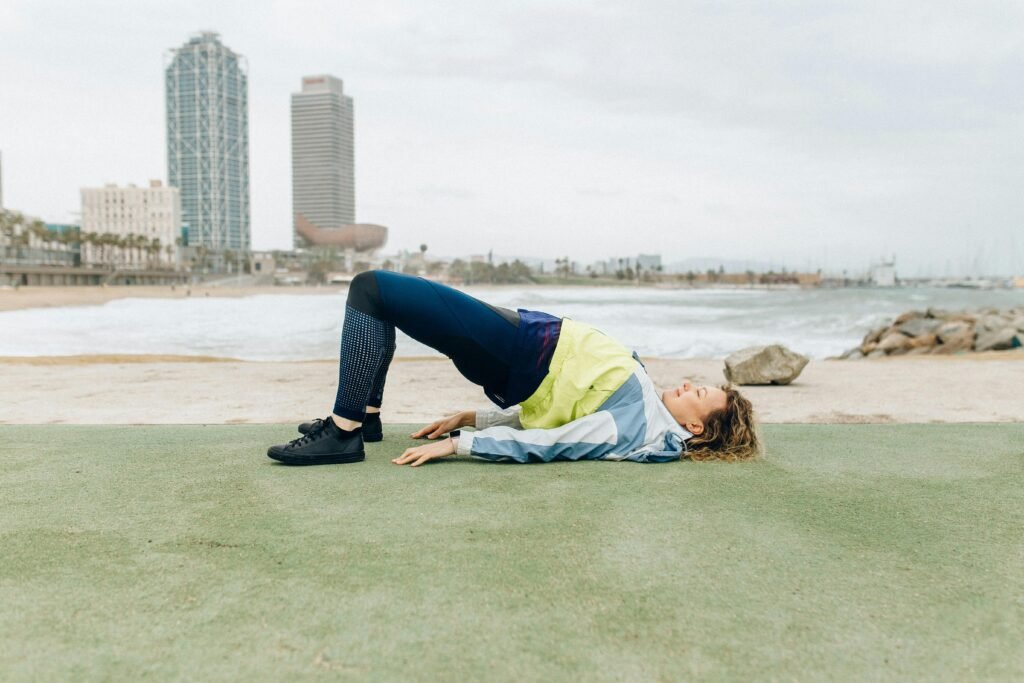
Exercise: Bridging
- Position the individual in supine lying with both knees flexed & shoulders crossed on chest diagonally
- Ask the individual to squeeze their glutes and lift their back
- Hold for 10 to 15 seconds
- Repeat 10 times twice daily
- To perform glute bridges safely
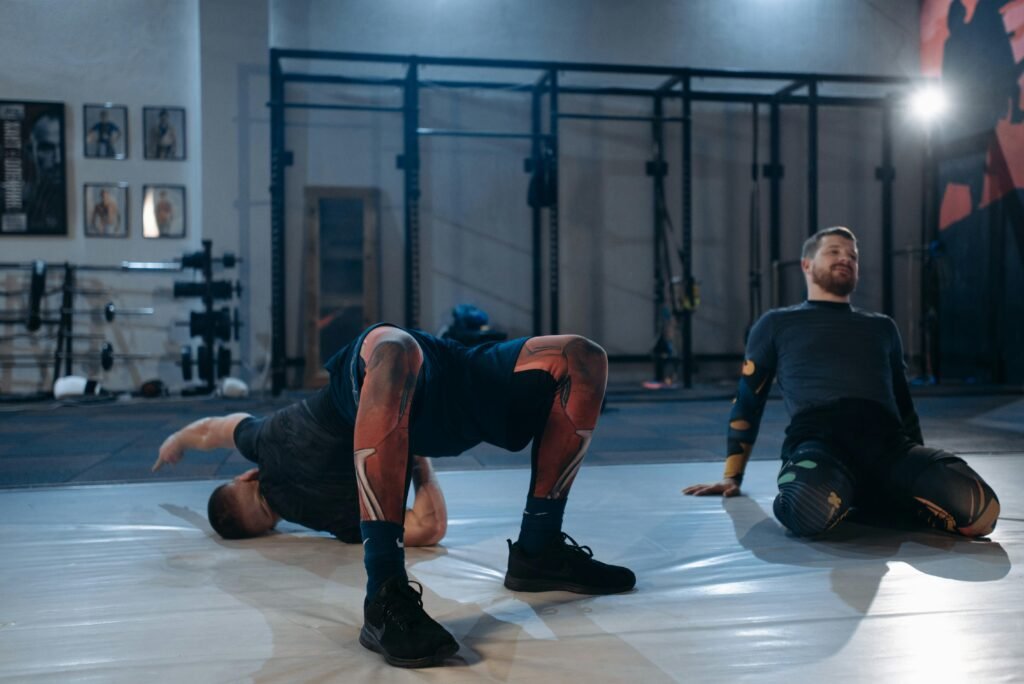
How it functions:
Reduces the strain on the spine and knees by activating the gluteus maximus. The prevalence of knee joint problems such as osteoarthritis, ligament ruptures, and overload conditions continues to rise as a result of unhealthy habits, aging, and increasing levels of obesity.
How might early balance training help avoid the risk of falls?
Balance deteriorates with aging creating a sense of fear of fall with increased risk. Therefore, training the muscles beforehand with activities like reaching in multiple patterns is crucial to help train the body.
Exercise: Single Leg Standing
- Ask the individual to stand with support surfaces nearby (in case of imbalance)
- Stand on one leg for 30 seconds then progress to standing on one leg with eyes closed
- Repeat this twice or as per feasibility
- To safely perform the single leg standing
How it functions:
Lowers the risk of falls by enhancing posture awareness and neuromuscular regulation.
Is it true that mobility training prolongs life?
Mobility training can help in improving the overall health of the joint capsule along with giving freedom of movement with no restrictions.
Exercise: Thoracic Spine Rotation
- Ask the individual to sit or lie on any side
- Stabilize the hips while rotating his upper body in one direction
- In case of pain or discomfort, stop the procedure immediately
How it functions:
This technique helps in improving the overall stability of the spine with reduced compensatory movements that can lead to injury in future progression.
The true key to longevity?
It goes beyond simple workout. The exodus is deliberate.
The main goals of physio for lifespan are:
- Coordination of muscles
- Symmetry of joints
- Modulation of the neuronal system
- Effective breathing
- Strength of function
Most significantly, it views the body as an integrated whole structure rather than separate components.
Last but not least, are you preparing for the present or subsequent thirty years?
It simply piles up, every day you waste doing nothing, a single incorrect posture routine, with each discomfort you chose to neglect.
However, each minor adjustment also impacts.
- Single adjustment of posture
- Simple breathing exercise
- A single activity for toning
They end up doing more than merely stop damage.
This article has been written by a Physical Therapist and provides general guidance on physical health & exercise. While it is grounded in professional expertise, it is not a substitute for individualized medical advice. If you are experiencing pain, specific symptoms, or have an underlying medical condition, please book a 1 on 1, 30 minute consultation with our expert physical therapist for a personalized assessment & tailored recommendations.
Pingback: How to Find Out the Root Cause of Your Dizziness? -
Pingback: 6 Exercises to Heal the Posture Breastfeeding Quietly Wrecked -