
While many of us believe that sadness, negative thoughts, emotions, anxiety and stress are just despicable feelings, there’s so much more to that in general. Our thoughts are not solely limited to our frontal lobe or limbic system. Modern research shows that your mind alone can control your entire well being. With that being said, this blog is all about exploring the alarming impact of your negative thoughts on your body and how physical therapy can help reduce such responses.
Table of Contents
Toggle
The Bridge between Mind & Body
The absolute connection between your brain and body is through your nervous system, hormones, immunity, musculoskeletal system and much more than you can think of. This gives us a clear concept of how our brain can subjectively impact our body. The cerebral cortex continually triggers its natural “fight or flee” reaction when the same sort of negative patterns persist, producing excessive amounts of stress hormones like adrenaline and cortisol. The aforementioned hormones tend to be helpful in temporary stressful or dangerous conditions, but in the long run, prolonged high amounts might be detrimental for the overall well-being.
Recurrent negative thinking might influence beyond simple psychological wellness, as evidenced by the fact that perpetual stress triggering can lead to tension in the muscles, exhaustion, cervicogenic or tension type headaches, insomnia, metabolism issues, worsening inflammation, compromised immune responses, and a higher likelihood of serious medical problems.
Evidence proves that recurrent chronic stress can deteriorate not only the mental health of a person but also result in elevated levels of inflammation leading to cardiovascular health issues. Even in the absence of an illness or any disease, tangible signs frequently manifest.
Due to this, people under constant stress often complain of:
- Tightness in the neck muscles
- Pain and soreness in the upper trapezius
- Recurrent headaches
- Blurry vision
- Irritability
- GIT issues such as constipation, feeling of no appetite at all
- Fatigue
It’s intriguing to note that several of these manifestations are similar to illnesses that are frequently addressed with physical therapy. In actuality, psychological mood has a significant impact on normal posture, respiratory techniques, physical assurance, and muscle tightness. Stress related chronic neck pain is one of the considerable ambiguities that many individuals face nowadays as chronic stress may lead to tightness and discomfort in your upper trapezius, sternocleidomastoid and cause forward head painful posture.
This link has been discussed in Step by Step Guide to Diagnose your Chronic Neck Pain wherein ongoing stiffness and migraines are associated with inadequate ergonomic postures and tensed muscles.
The Brain and Emotional Stress
The cells and diseases are not the only factors that regulate discomfort. Pain perception is additionally influenced by the neurological system and mental condition. According to findings, nervousness, stress, and persistently negative thoughts can make the neurological system increasingly receptive, which can lead to an upsurge in sensitiveness to pain. This indicates that the brain develops aggressive and magnifies impulses of suffering, not that the sensation is illusory.
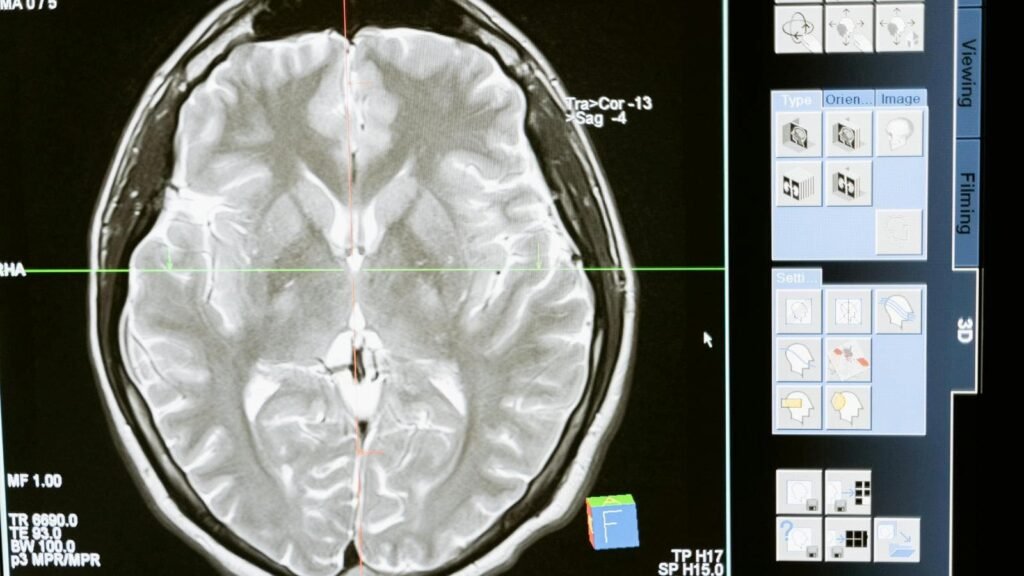
Once the stress transcends a transient reaction & becomes tenacious, it starts to interfere with several biological processes in the body and the nervous system. This continuous activity throws off the autonomic nervous system’s equilibrium and causes anatomical and functional alterations in the brain, particularly in areas like the hippocampus, thalamus and prefrontal cortex that are in charge of memory, emotional control, and executive function.
These abstractions come in line with Unveiling the Stress Poison and Rehab Recovery explaining how this ongoing strain starts to have a biological impact on the body, upsetting internal equilibrium and changing the brain activity.
The Benefits of Exercise on Mental Health
When we talk about exercise, we limit our thoughts to fitness and building muscles. In reality, physical therapy is more than treating paralysis or staying fit. Exercise has the potential benefit of raising the BDNFs which help regulate the overall functioning of the nervous system and rewiring of the brain. Moreover, it helps in the release of neurotransmitters that are responsible for regulation and boosting moods such as serotonin, dopamine, oxytocin, endorphins etc. Evidence, Physical Activity & Mental Health a systematic review, states that exercising enhances psychological wellness by reducing stress levels, boosting morale as well as having beneficial physiological impacts on the body.
Scientific studies have demonstrated that structured physical therapy is extremely beneficial for individuals with anxiety and obsessive compulsive disorder, especially when combined with traditional treatments. Numerous studies have found a connection between regular exercise and a reduction in the intensity of OCD episodes. This indicates that the greater the number of regular people involved in aerobic workouts, the better their condition alleviated over time, regardless of situations when exercising failed to serve as the sole treatment method. This tells us about the significance of Physical therapy on the Menacing Impact of OCD.
Surprisingly, even moderate to lower intensity exercise can help amplify the mood, preventing negative thoughts from empowering and taking over the brain. This is why rehabilitation regimens are now focusing on mobility driven protocols such as walking, jogging and yoga alone in improvising the overall well-being of an individual. Additionally, the significance of consistent exercise and cardiovascular activity is demonstrated in Is Walking a Part of Exercise Regimen? where walking is explored more than just being a basic type of workout.
7 Physical Therapy Exercises that can help Decrease the Negative thoughts
Diaphragmatic Breathing and ACBTs
- Minimizes the reaction to stress
- Enhances calmness
- Reduces stiffness in the neck and shoulders
- Promotes and improves perfusion
These exercises are beneficial for individuals with shallow chest due to persistent stress and long term sitting. These exercises have also been advantageous in relieving the symptoms of long COVID.
Walking and Jogging
Among the easiest approachable and beneficial types of exercise for psychological wellness is walking. Walking enhances psychological state, lowers mental strain, promotes heart wellness, and lessens anxiousness and depression-related symptoms, according to numerous studies. It provides a sense of relief and connectivity to nature in the best way possible. The target should be walking 30 minutes daily for maximum effects.
Quadruped Spinal Flexion and Extension
- Reduces tightness of the back muscles
- Increases comprehension of mobility
- Lessens tension in muscles
- Promotes calmness
Individuals who experience soreness from immobility and tightening from stress frequently benefit from physical activity.
Chin Tuck in
- Improves the forward head posture
- Relieves cervicogenic and tension related headaches
- Improves the overall neck muscles mobility
- Reduces stiffness
Chin tuck in exercise is highly advantageous for those who tend to spend a lot of time on their mobile phones and laptops.
Scapular Wall Slides
- Improves the rounded shoulder posture
- Improves forward alignment of the trunk
- Helps in stretching the Pects
- Improves the shallow chest
- Aids in proper breathing mechanism
These kinds of workouts are more crucial for those who are impacted by extended screen time and desk jobs.
Stretching
- Relieves the stiffness in the muscles
- Warm up before working out or jogging throughout your day
- Reduces anxiety and promotes relaxation
This is salubrious for those who unintentionally hold loads of stress on their shoulders, mind, neck, back of your eyes, jaw and chest. Negative thoughts can pile up on your body and increase the soreness in your muscles.
Sit to Stand
- Improves your overall balance and coordination
- Activates the agonists
- Increases circulation in the body
- Helps with mood busting immediately (can be viewed as a fun challenge)
Such types of functional activity exercises are advantageous for both mental and physical well-being of your body.
While these exercises have been supported by numerous pieces of evidence and proven to have a beneficial effect on the overall well-being of an individual, one must consider consulting their physical therapist, psychologist and physician before taking part in anything that might be a source of potential harm if done incorrectly.
An Alarming impact of your Negative thoughts on your body: Is this true?
Negativity can definitely alter your health and mental state. Long-term strain and consistent negative mindsets have been shown to have an impact on the muscles, sleeping patterns, body alignment, sensitivity to pain, immune function, and general state of energy. The mental and physical faculties are always influencing each other.
Nevertheless, there are good tidings as well: activity has the potential to break this pattern of conduct.
Consistent physical therapy exercises, proper respiration techniques, relaxation, postural adjustments, and jogging can all have a significant impact on one’s psychological and physique. Proficiency and intense exercise are not deemed necessary as regular exercise behaviors can gradually have a significant impact. Exercising promotes psychological strength, boosts self-worth, eases muscle tension, and regulates the neurological system. Oftentimes soothing your mind is the first step toward healing your physical well-being, and occasionally engaging yourself is the first step towards soothing what you are thinking.
This article has been written by a Physical Therapist and provides general guidance on physical health & exercise. While it is grounded in professional expertise, it is not a substitute for individualized medical advice. If you are experiencing pain, specific symptoms, or have an underlying medical condition, please book a 1 on 1, 30 minute consultation with our expert physical therapist for a personalized assessment & tailored recommendations.
Pingback: How to Find Out the Root Cause of Your Dizziness? -