
What is the hidden link between Stress & Body?
The fast paced world of modern times has made stress a normal part of existence. So how do expert stress relief methods with physiotherapy work? Both physical and mental strain are increased by ongoing pressure from job, lifestyle expectations, and unhealthy behaviours. Stress in the modern world has an impact on blood pressure, blood sugar levels, posture, sleep, and even weight balance. This is where Express Stress Relief Methods with Physiotherapy play a powerful role.
Table of Contents
ToggleIn addition to treating pain, physiotherapy offers secure, all natural, and efficient ways to boost relaxation, regain equilibrium, and advance general health.
What is the Physiology of Stress?
A stress response is brought on by any psychological or physical triggers that upset homeostasis. The stimuli are referred to as stressors, and the stress response is the result of behavioural and physiological changes brought on by exposure to irritants. A complex interaction of neurological, endocrine, and immunological processes mediates a stress response, triggering the immune system, the hypothalamic pituitary adrenal (HPA) axis, and the sympathetic adreno medullar (SAM) axis. The rapid reaction brought on by SAM activation causes the adrenal medulla to release more norepinephrine and epinephrine into the bloodstream, as well as the sympathetic nervous system to release more neurotransmitters, which raises the brain’s norepinephrine levels.

What are the signs of a Stressful body?
- Headaches, neck stiffness & back pain – Tension in the muscles is a common physical manifestation of stress. Long-term mental stress can tense the muscles in the neck and shoulders, which can result in headaches. Many people get chronic upper or lower back discomfort as a result of sitting for extended periods of time under pressure, and poor posture exacerbates neck stiffness.
- Fatigue, poor sleep & irritability – Stress saps your vitality, even if you haven’t put forth a lot of physical effort. It interferes with regular sleep cycles, making it challenging to get to sleep and stay asleep. This inadequate sleep causes persistent weariness throughout the day.
- Increased heart rate & high blood pressure – Stress activates the “fight or flight” response in the body, releasing hormones like cortisol and adrenaline. These chemicals increase heart rate and constrict blood vessels, which raises blood pressure.
- Weight fluctuations & blood sugar imbalance – While some people lose their appetite in response to stress, others overeat. This causes abrupt weight gain or decrease, which has an impact on general health. Additionally, stress increases cortisol levels, which might interfere with the management of blood sugar.
How does Physiotherapy helps in reducing these signs?
- Relaxation exercises reduce muscle tension – Stretching and progressive muscular relaxation are two gentle physiotherapy based relaxation techniques that aid in releasing pent-up tension. These exercises increase blood flow, relax the neurological system, and give the body a lighter, more flexible sensation.
- Deep breathing improves oxygen supply & calmness – Diaphragmatic breathing and pursed-lip breathing are two deep breathing strategies that aid in regaining lung capacity. Increased oxygen delivery decreases heart rate, lessens anxiety, and enhances mental clarity.
- Gentle mobility restores energy – Simple mobility exercises that assist lubricate joints and relieve stiffness include spinal twists, neck stretches, and shoulder rolls. These easy workouts increase blood flow, providing a quick, strain-free energy boost.
Can Poor Posture increase Stress levels?
Indeed. Unnecessary strain on the neck, shoulder, and spine muscles is increased by poor posture. Muscles must work harder to stabilize the head and back when the body is out in alignment, such as when hunching over a phone or slouching forward at a desk. The result of this ongoing pressure is tension headaches and exhaustion.
That’s why expert stress relief methods with physiotherapy are highly effective in correcting posture and reducing muscle strain naturally.
Easy Exercises to correct your Posture:
- Chin tuck in ( neck retraction )
- Scapular Adduction ( shoulder blade activation )
- Wall angels
- Pect stretches
- Seated pelvic tilts and calf raises
How do Unhealthy life habits worsen Stress?
Stress and anxiety are exacerbated by sedentary behaviour, poor diet, and inactivity. So how expert stress relief methods with physiotherapy work?
Physiotherapy solutions:
- Walking programs for 20 to 40 minutes daily – One of the easiest yet most efficient ways to reduce stress is to go for a walk. Walking for 20 to 40 minutes increases endorphins, the “feel-good” hormones, enhances blood circulation, and eases the stiffness in the muscles brought on by prolonged sitting. As part of Expert Stress Relief Methods with Physiotherapy, walking helps regulate circadian cycle, manage weight, and improves mood.
- Physiotherapist guided stretching pre & post work – A physiotherapist can create customised stretches that focus on common trouble spots, such as the hamstrings, shoulders, neck, and lower back. Short stretches before work help the body get ready for the requirements of posture and lower the chance of stiffness. Stretching after work helps you unwind and fall asleep by releasing tension in your muscles throughout the day.
- Taking part in consistent activities – Any activity of your liking such as sports, game plays, yoga can help in simple stress relief.
Is Diet & Physiotherapy both important for Stress relief?
The answer is YES. By giving the body the vital vitamins, minerals, and energy it needs to handle everyday stress, a balanced diet promotes physical health. However, if the body is still in pain, stiff, or lethargic, a healthy diet is insufficient on its own. Physiotherapy is essential in such circumstances since it keeps the body strong, flexible, and free from discomfort. Movement and diet work together to produce a potent combination for general wellbeing. Incorporating Expert Stress relief methods with Physiotherapy alongside a balanced diet helps improve metabolism, and maintain energy levels, making it easier for both the body and mind to fight the stress.
Easy & Expert Stress relief methods with Physiotherapy with diet:
- Combine light walking with a nutrient rich diet or taking supplements to help cope with your deficiencies by consulting a nutritionist.
- Weight bearing exercises help boost the metabolism.
- Gentle core strengthening prevents stress related fatigue.
How does Stress effects Blood Pressure?
Stress triggers the body’s natural “fight or flight” reaction, which raises blood pressure. Stress chemicals like cortisol and adrenaline are released during this process, which causes the blood vessels to constrict and the heart to beat more quickly. Short bursts of stress benefit from this reaction, but prolonged stress causes the blood arteries to remain restricted, maintaining high blood pressure. This increases the risk of hypertension and associated illnesses by placing more pressure on the heart, arteries, and other organs over time. For this, expert stress relief methods with physiotherapy play a major role in controlling your blood pressure levels.
What Physiotherapy solutions can you implement?
- Deep breathing: Take a deep breath through your nose, hold it for four seconds, and then gently release it through your pursed lips. Do this for 5 to 10 minutes every day.
- Walking program: Aerobic, low-impact exercise is advised five days a week.
- Before going to bed, do some light stretches to help relax the nervous system.
Can your Stress cause Diabetes?
Absolutely. Blood sugar may rise as a result of elevated cortisol levels brought on by stress. Because it primes the body for rapid energy during tough circumstances, cortisol is frequently referred to as the “hormone of stress.” More glucose is released into the bloodstream by the liver to supply that energy when cortisol levels rise. Short term stress can benefit from this reaction, but chronic or ongoing stress maintains blood sugar levels high. This may eventually reduce the body’s sensitivity to insulin, resulting in insulin resistance and exacerbation of diseases like prediabetes or diabetes. For this reason, people who are under a lot of stress frequently experience changes in their blood sugar levels.
Expert Stress relief methods with Physiotherapy to implement:
- Low-impact aerobic activity (walking, stationary cycling).
- Strength training exercises guided by physiotherapists.
- Stress reduction through diaphragmatic breathing and relaxation therapy.
How does Poor Sleep or Sleep Apnea contribute to Stress?
Lack of sleep interferes with the body’s natural healing process, resulting in persistent exhaustion, agitation, and trouble focussing during the day. Stress hormones stay high when the body doesn’t get enough sleep, which exacerbates anxiety whilst rendering it more difficult to remain composed under pressure. Sleep deprivation slows metabolism, impairs immunity, and raises the risk of long term health issues.
Another major cause of aggravated stress is Sleep apnea, a breathing condition that interferes with sleep and causes inadequate ventilation, such as episodes of shallow breathing, recurrent pauses in breathing, or collapse of the upper airway. This puts an additional burden on the heart and nervous system. A vicious cycle of stress and fatigue is fuelled by people with sleep apnoea who frequently wake up feeling exhausted, with morning headaches or midday lethargy. In such cases, incorporating expert stress relief methods with physiotherapy can improve sleep quality and reduce the harmful effects of stress.
How does Physiotherapy helps in Poor sleep & Sleep Apnea?
- Breathing retains for better oxygen control – Use of diaphragmatic breathing, pursed lip breathing & nasal breathing practice twice daily with 10 to 15 reps can help reduce airway irritation, improving oxygen flow, & makes breathing easier.
- Sleep posture correction – The tongue and soft tissues can slide backwards while you sleep on your back, obstructing your airway and making sleep apnea worse. Side sleeping with knee support with a below under it is proven to be the best position for individuals dealing with this condition.
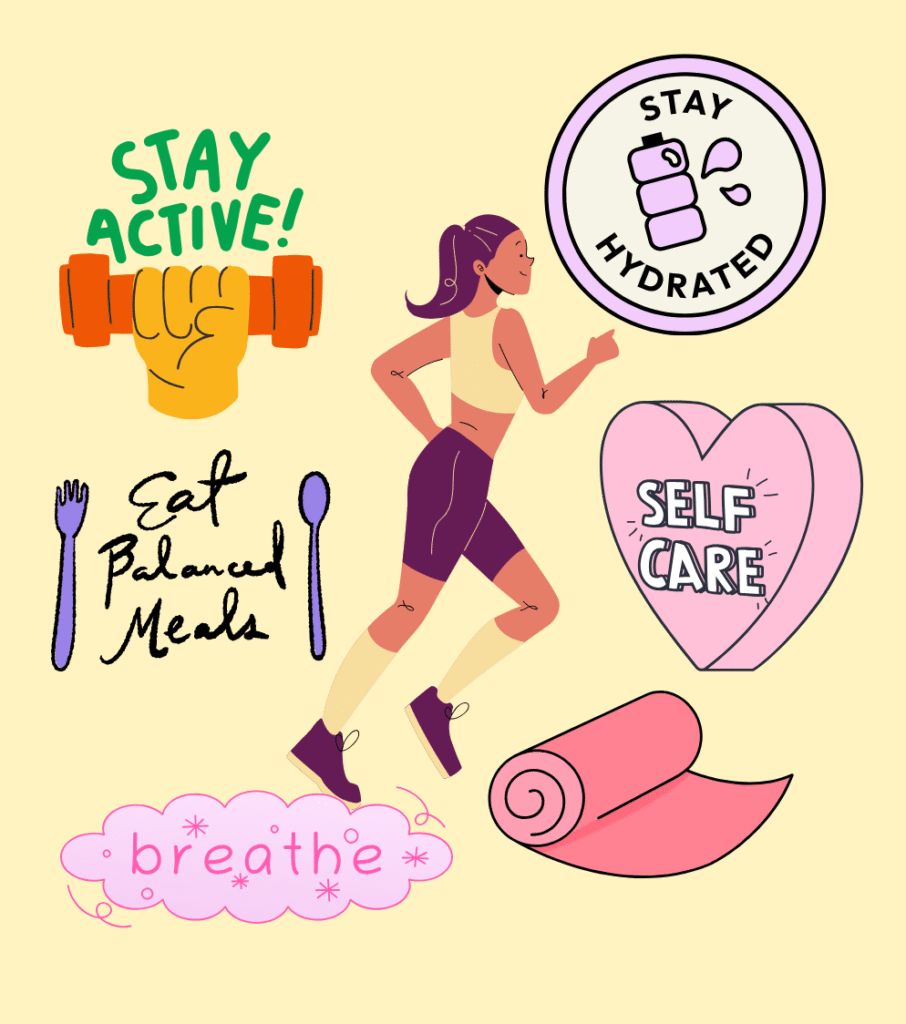
Does Weight Gain or Loss actually contribute as a Stress factor?
Excessive weight gain increases the mechanical strain on the joints, particularly the lower back, hips, and knees. Walking and stair climbing can put up to three or four times as much load on the knee joint for every kilogramme of weight acquired. Conditions like osteoarthritis may result from this ongoing burden, which also accelerates cartilage deterioration and raises joint lining inflammation. Additionally, cytokines, inflammatory molecules released by excess adipose tissue, exacerbate joint stiffness and pain. Hence, this causes an increase in both physical & mental stress levels.
On the other hand, rapid weight loss, frequently brought on by intense diets or illness, can deprive the body of both fat and muscle mass. Muscles are essential for maintaining posture and stabilizing the joints. The skeleton is under greater pressure when muscular strength decreases, which makes movements less effective and exhausting. In addition to lowering the body’s metabolic rate and impairing general endurance, this muscle loss results in fatigue and makes stress more difficult to handle.
That’s why maintaining a healthy, gradual balance of weight is important. With the right guidance & expert stress relief methods with physiotherapy such as low-impact exercises, posture correction, and muscle strengthening routines help protect the joints, maintain lean muscle, and ease the body’s response to stress.
Physiotherapy Training for Weight Loss:
- Walking programs
- Light jogging or treadmill sessions
- Physiotherapy guided cardio
- Core stability training
- Strength training
Physiotherapy Training for Healthy Weight Gain:
- Resistance training
- Bodyweight exercises
- Hydrotherapy strengthening
- Free weights
Can Ergonomic Physiotherapy reduce Workplace Stress?
Long periods of time spent at a desk, whether for work, study, or computer use, can cause repeated strain on the lower back, shoulders, and neck. The spine progressively shifts out of its normal position as a result of poor ergonomics, such as hunching the shoulders, slouching forward, or sitting without enough lumbar support.
- Neck and shoulders: The muscles at the back of the neck and shoulders have to work harder to support the head as it leans forward. The strain on the neck muscles increases dramatically with each inch the head advances, causing stiffness, headaches, and even irritation of the nerves.
- Lower back: Prolonged sitting contracts the hip flexors and decreases blood flow to the spinal discs. This puts more strain on the lumbar spine, which can lead to pain, exhaustion, and occasionally symptoms similar to sciatica. To understand the diagnosis of sciatica read Sciatica diagnosis: disc vs piriformis
- Energy and circulation: Prolonged standing also lowers blood circulation, which causes muscle soreness and less oxygen delivery. Over time, this raises the likelihood of chronic pain, causes stress, and lowers productivity.
How to manage Workplace Stress with Physiotherapy?
- Correct desk height and lumbar support
- 20-20-20 rule that is for every 20 minutes, look at an object 20 feet away for at least 20 seconds to reduce eye strain and reset posture.
- Micro-stretches
- Seated hamstring stretch
- Calf raises
- Ankle pumps and circles
- 10 minute walk break after every 40 minutes or 1 hour
- Chest opener stretch
Watch the complete guide The Perfect Ergonomic Desk Setup To Avoid Back & Neck Pain
Can Physiotherapy really manage the Stress of your Daily life?
Yes, physiotherapy directly contributes to lessening the negative effects of stress on the body and the mind. The physical systems most impacted by stress; the muscles, joints, respiratory patterns, and circulation are the focus of approaches like deep breathing, posture correction, stretching, and guided exercises. In contrast to short-term solutions, physiotherapy aims to achieve long-term balance by assisting you in developing better habits that enhance your energy levels, sleep quality, and relaxation. With expert stress relief methods with physiotherapy and calm, anyone can learn safe and effective ways to manage stress naturally.
Physiotherapy provides safe, useful, and efficient tools that reduce stress and increase future resilience. When used consistently, these techniques transform from workouts into a way of life for peace, vitality, and optimal wellness.
Always remember to reach out to your therapist or mental health professional if stress feels overwhelming physiotherapy supports the body, but professional guidance supports the mind.
This article has been written by a Physical Therapist and provides general guidance on physical health & exercise. While it is grounded in professional expertise, it is not a substitute for individualized medical advice. If you are experiencing pain, specific symptoms, or have an underlying medical condition, please book a 1 on 1, 30 minute consultation with our expert physical therapist for a personalized assessment & tailored recommendations.
Pingback: Proven Physiotherapy for COVID Recovery
Pingback: Step by Step Guide to Diagnose Chronic Neck Pain -
Pingback: Menacing Impact of OCD & its Rehab Treatment -