
What exactly is ICU acquired weakness?
Patients who have substantial muscle weakness & fatigue during an extended treatment in intensive care are said to have ICU-acquired weakness. Typically, it impacts:
Table of Contents
Toggle- Ventilator-dependent patients
- People who are critically unwell or have sepsis
- People who have been immobilized for an extended duration
Such patients may find it difficult to stand for a longer time span with maintained balance and posture, walking & performing independent ADLS. Let’s dive into the 7 deadly mistakes that leave ICU patients unable to walk after discharge.
Why are patients unable to walk after ICU stays?
The inability to walk after a prolonged ICU stay varies from patient to patient & the condition. However, this weakness is due to multiple factors:
- Muscle disuse or Atrophy
Within the time span of 24 to 48 hours, the skeletal muscles begin to lose their mass & there is a significant decrease in the strength as the research shows. During their first week in the intensive care unit, severely ill individuals may lose as much as 15% to 20% of their muscle bulk. Acute skeletal muscle wasting in critical illness
- Serious Nerve Injury (Neuropathy)
Peripheral nerves can be damaged by chronic disease, which lessens their capacity to efficiently send impulses to muscles. Regardless of recovering from the initial sickness, this results in severe weakness and decreased voluntary muscular activation. Muscle atrophy in intensive care unit patients
- Diminished Cardiovascular Endurance
Long term immobility results in cardiovascular deconditioning i.e, decreased cardiac output & stroke volume, accumulation of secretions in the airways thus making it difficult to breathe properly & limited activity performance capacity. Because of this, even simple activities like standing or sitting can lead to exhaustion and elevated heart rate levels. The impact of extended bed rest on the musculoskeletal system in the critical care environment
- Stiffness of Joints & Developing Contractures
According to research, long-term immobilization causes stiffness and functional limitations by reducing mobility among joints. This might seriously reduce agility and postpone recuperation if mobilization is delayed. Muscle Atrophy in Intensive Care Unit Patients
7 Deadly Mistakes that leave ICU Patients Unable to Walk after Discharge
It’s crucial to realize that recuperation following an ICU admission is a crucial and critical stage before delving into the particular errors. The majority of critically ill patients suffer because of preventable mistakes that impede or potentially derail their advancement not due to the fact that the disease itself is irrevocable. These errors can have a major effect on a patient’s capacity to restore strength, freedom of motion and autonomy, from delayed activity to unstructured rehabilitation. A quicker, safer, and more thorough healing depends on identifying and treating them promptly.
Delayed Mobilization
In the intensive care unit, lingering lengthy periods to start moving causes significant muscle wasting & atrophy, inflexibility of joints, and cardiovascular deterioration. An individual’s capacity for functioning can be severely diminished by just a few hours of immobilization. Maintaining the contraction of muscles and preventing permanent weakness are two benefits of prompt mobilization.
“Bed rest is the solution” Mindset
Numerous ICU patients believe that once they are discharged, they are supposed to be on a complete bed rest in order to heal quickly nevertheless, this only exacerbates weakness and postpones recuperation of function. Extended periods of idleness result in decreased endurance and diminished muscle mass. Reintroducing movement gradually is necessary for reimbursement, not avoiding it.
Saying “NO” to Physical therapy
Putting off rehab plan of care after a patient exits the medical facility, presuming that their recuperation is concluded, is a typical error that leads to numerous comorbidities. In actuality, the period following discharge is particularly crucial for restoring power and autonomy. In the absence of organized physical treatment, advancement may stagnate or even reverse.
Kinesiophobia
A vicious cycle of immobility and deteriorating frailty results from patients’ frequent avoidance of mobility out of fear of distress, exhaustion, or collapsing. This anxiety might considerably impede healing and lower self-assurance when carrying out everyday duties. Rebuilding power and stamina requires consistent participation in movements that are necessary for the performance of daily activities.
Lack of Balanced Nutrition
One of the major components in recovery is nutrition. In order to regain the muscle mass & body weight, recuperation from the intensive care unit necessitates sufficient dietary support, particularly protein. Fatigue and delayed healing might result from malnutrition or inadequate intake. For the best possible healing, nutrition and physical therapy must cooperate.
Not consulting a Physical Therapist for Structured Plan of Care
Ineffective recuperation might result from exercises that are haphazard or irregular and lack an obvious sequence. Patients could either overwork oneself or not put sufficient stress on their skeletal muscles. A methodical approach guarantees steady gains in strength, cardiovascular endurance, and balance.
No Family Support
Denial of encouragement can lower enthusiasm and commitment to physical therapy, and recovering from the intensive care unit is both mentally and physically taxing. Patients may be reluctant or disheartened to work out on their own. For recovery to be fruitful, an atmosphere of encouragement is essential.
Recovering with Physical Therapy: Step by Step Guide to Mobility & Independence
Phase 1 : Prompt start of rehab in ICU
Goals
- To maintain joint mobility
- Prevent stiffness & contractures
- Maintain Range of Motion
- Prevent DVT
- Preserve the cardiovascular endurance
- Improve patient engagement & prevent overall deconditioning
- Bed mobility
Intervention
The treatment plan should begin with the patient (if conscious) or caregiver’s education & counselling. Physical therapists should always set realistic and meaningful goals that are easier to achieve for their patient and that may create a sense of satisfaction as well as encouragement to continue the therapy further.
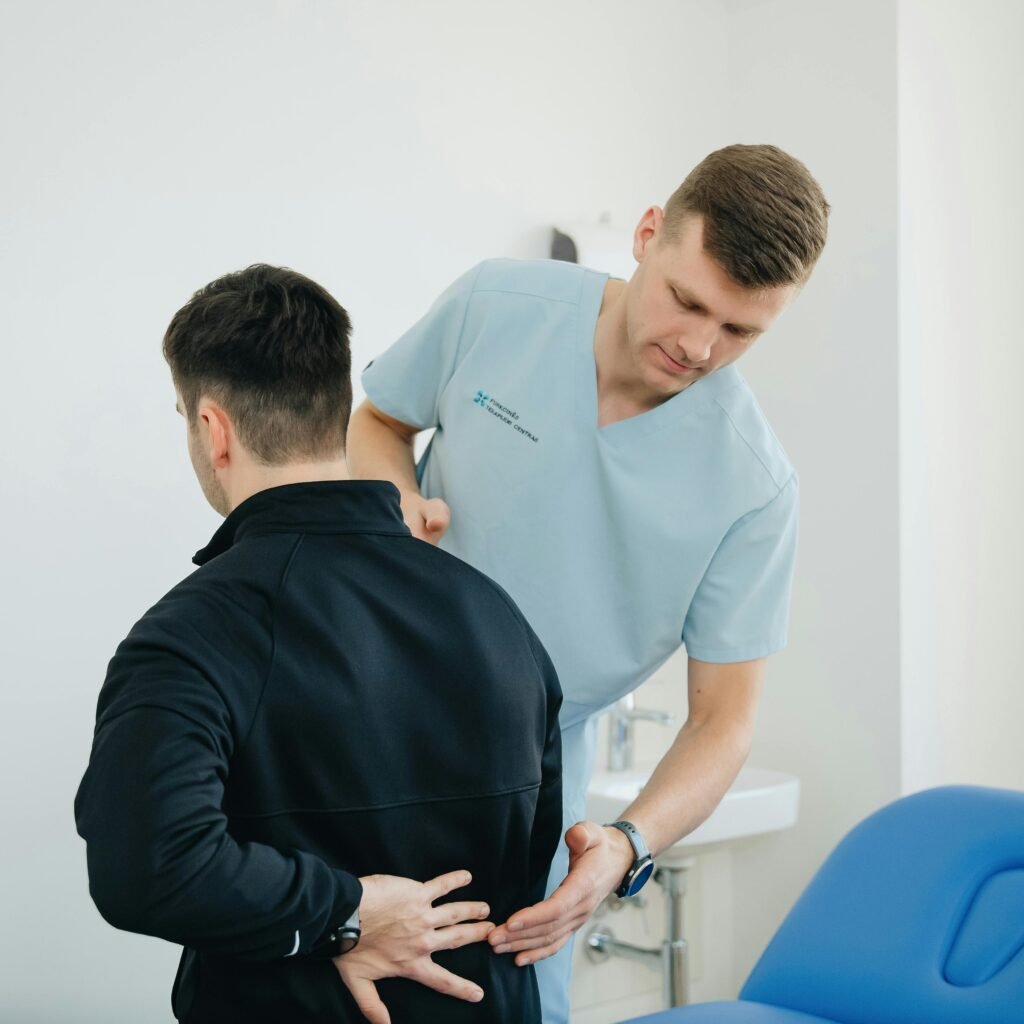
Passive range of motion exercises should be performed twice a day as per tolerance of patients to prevent contractures and stiffness. Proper bed mobility which includes turning side ways and change of position every 2 hours should be encouraged to prevent pressure sores. Incorporation of breathing exercises and bronchopulmonary hygiene procedures to clear the airways.
Phase 2 : Initial Mobility Post ICU
Goals
- Improve endurance & strength
- Mastering the basic movements
- Motor re-learning & recovery
Intervention
After being discharged from ICU, a proper physical therapy plan of care should be continued in order to regain functionality. Starting with regaining sitting balance to progressing towards standing. Gradually move to forward reaching and gripping exercises. Coordination movements such as buttoning shirt, combing hair, moving spoon to mouth should be promptly practiced in order to relearn the basics. Standing balance is a necessary element as well.
Phase 3 : Functional Independence & Recovery
Goals
- Restore Functional independence
- Proper performance of activity
Intervention
After regaining standing balance, the assisted walking phase should begin and be implemented. From assisted walking, proper gait training should be encouraged helping the patient regain functionality & independence in mobility. Gradually advance to resistive exercises to regain the remaining strength & power as well as improve the stamina.
How long does the recovery with Physical Therapy take post ICU?
Recovery timeframe generally varies from patient to patient and their conditions. In usual manner, Phase 1 extends from week 1 to 3, Phase 2 from week 4 to 6 and finally Phase 3 from 6 to 12 weeks.
Evidence Based Insights
Research published in journals like PubMed, Nature & JAMA shows that prompt mobilization in ICU helps in improving the overall:
Common Red flags to look for
- Sudden drop of blood pressure or elevated levels of blood pressure
- Breathlessness
- Dizziness or risk of fall
- Patient not responding to commands
Rehab & ICU : The Final Conclusion
Regaining independence is the true difficulty; ICU survival is just the first step. Most of the time, the incapacity to move around following ICU stay is temporary. Patients can gradually regain strength, movement, and assurance with the correct rehabilitation strategy, mobilization right away, and prevention of frequent blunders. Patient attitude and perspective are equally vital; maintaining consistency, optimism, and engagement in rehabilitation is critical to long-term healing results.
Rehabilitation is changing at the precise moment. AI and other cutting-edge technology are quickly being used in ICU rehabilitation to assist doctors monitor patients’ progress, customize exercise regimens, and enhance the outcomes of patients. To learn more about how AI is changing rehabilitation, check out our comprehensive guide on The Future of ICU Rehab
In the end, physiotherapy continues to be the cornerstone of rehabilitation, assisting patients in moving, rebuilding, and regaining their freedom.
Recovery takes longer without movement, but it is feasible with the correct physiotherapy.
This article has been written by a Physical Therapist and provides general guidance on physical health & exercise. While it is grounded in professional expertise, it is not a substitute for individualized medical advice. If you are experiencing pain, specific symptoms, or have an underlying medical condition, please book a 1 on 1, 30 minute consultation with our expert physical therapist for a personalized assessment & tailored recommendations.