
Recovery Roadmap
Discover the typical conditions we treat and address at ASKYOURPHYSIO.COM. A thorough blog with physiotherapy based remedies, recovery advice, and treatment philosophies to help you on your path to recovery is connected to each disease. Our website’s primary goal is to assist patients, therapists, and students in comprehending and successfully managing a range of illnesses. Explore our case studies, take advantage of in person consultations, and have access to individualised care plans that are catered to each patient’s needs. Learn, practice, and stay informed with resources designed to support your journey toward better health and knowledge.
YOUR HEALING JOURNEY STARTS NOW, THE GOAL IS TO RECOVER!
Our Expertise
01: SCIATICA
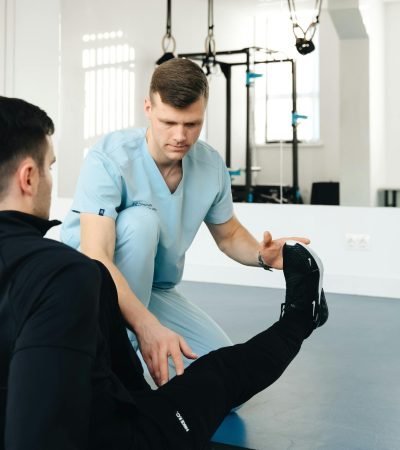
When the longest nerve in the body that is the sciatic nerve is inflamed or constricted, it results in a condition called sciatica. This nerve typically extends from the lower back of your spine, through the pelvis, and ends in each leg into two divisions; common peroneal nerve & tibial nerve. The symptoms of sciatic nerve compression includes tingling, numbness & sharp shooting pain accompanied with swelling of the foot making the sensations weak. Physiotherapy plays a vital role in managing and treating sciatica. However, the diagnosis of the root cause of sciatic pain is an essential part prior to the formation of the plan of care. For complete guide on differential root causes & accurate diagnosis of sciatica read SCIATICA DIAGNOSIS: DISC VS PIRIFORMIS
02: Posture Correction

Improving the body’s alignment to lessen the pressure on the muscles, joints, and ligaments is known as posture correction. There are many postures that we develop in our daily routine including the forward head posture, slouch posture, anterior pelvic tilt, hunchback posture, swayback posture and many more. These misalignments cause neck and back pain, headaches, shoulder pain, formation of triggers, & even long term spinal issues. Guided exercises, ergonomic instructions, stretching, and strengthening regimens that improve muscle balance, restore appropriate alignment, and lessen discomfort are some of the ways that physiotherapy treats these issues. Consistent physiotherapy helps people retain a strong and symptom free posture by promoting improved movement patterns, increased flexibility, and sustained spine health in addition to pain relief.
03: Frozen Shoulder

A condition in which the glenohumeral joint stiffens, causing pain & discomfort along with decreased range of motion is known as frozen shoulder. It is also known as adhesive capsulitis due to the inflammation of the joint capsule & the formation of scar tissue or adhesions within this capsule. It is more prevalent in those suffering from diabetes or thyroid disorders and typically emerges gradually, often following an injury, surgery, or extended periods of immobilisation. The symptoms include constant shoulder pain, inability to externally rotate the shoulder, trouble lifting any object, pain whilst performing overhead activities or a feeling of freezing that involves inability to complete overhead shoulder movements along with extreme stiffness making daily life activities challenging to perform. So, how can you get past these everyday obstacles and actively aid in your own frozen shoulder recuperation? Let’s examine useful techniques, associated ailments, and real world methods that can impact your return to shoulder mobility. Your recovery starts here with us.
04: Stroke
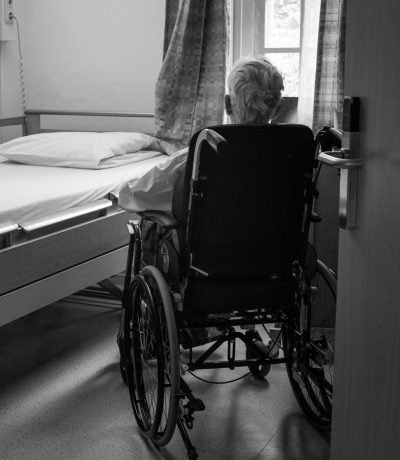
One of the most common brain injuries is a cerebrovascular accident known as stroke. It occurs when the blood supply to your brain is disrupted, mainly the middle cerebral artery resulting in bleeding in the brain. The end consequence is abrupt brain cell destruction, which can cause cognitive difficulties, vision problems, balance and coordination problems, paralysis or muscle weakness on one side of the body, and trouble speaking or understanding language. For stroke survivors, physiotherapy helps maximise autonomy, minimise complications, and enhance quality of life through customised exercise regimens, gait training, neurorehabilitation approaches, and adaptive tactics. Discover how early symptom recognition, the recovery road map, and customized physiotherapy regimens can help you restore your independence and enhance your quality of life.
05: Plantar Fasciitis
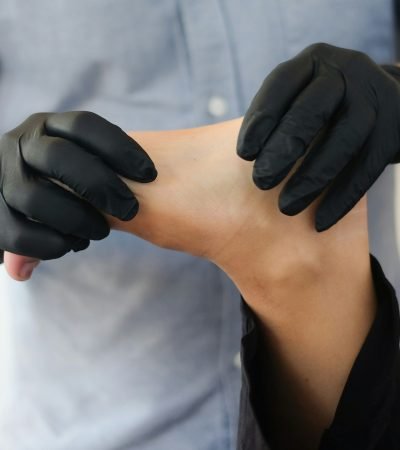
Inflammation of the band of tissue, the plantar fascia, that extends to the bottom aspect of the foot supporting the arch is known as plantar fasciitis. The symptoms include stabbing sharp pain in the heel, particularly in the morning or after standing or sitting for prolonged hours. We provide customized physiotherapy treatments for you. Our specially designed exercises aid in efficiently addressing your plantar fasciitis issue. We concentrate on identifying and resolving your problems as effectively as feasible.
06: Multiple Sclerosis
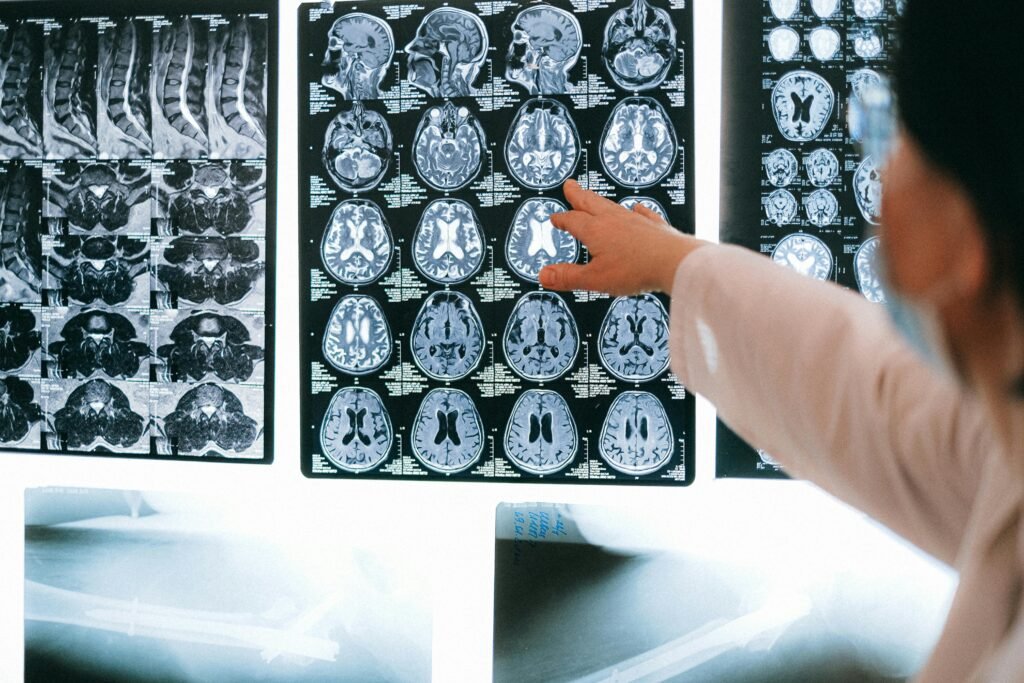
An autoimmune disorder in which the body’s immune system attacks protective covering of nerve fibers leading to communication breakdown between the brain and the body’s other systems. Numerous symptoms, including fatigue, poor coordination, balance issues, muscle weakness, spasticity, and trouble walking, may arise from this. Physiotherapy is essential for managing multiple sclerosis (MS) because it helps preserve strength, mobility, and functional independence while easing symptoms including fatigue and muscle stiffness. Here, we offer a thorough physiotherapy manual covering exercises, techniques, and lifestyle modifications designed especially for people with multiple sclerosis. You can study detailed recovery programs tailored to your individual needs, learn more about these treatments, and recognise the symptoms to look out for.
07: Stress

Yes, you heard that right! Stress, out of all the things, can be managed with the help of physiotherapy. In our blog, “Expert stress relief methods with Physiotherapy”, we discussed the causes, symptoms, diagnosis & effective solutions to resolve stress. Our blog is a complete guide for you to understand, manage & cope up with it. Read now by clicking on the Expert Stress Relief Methods with Physiotherapy!
08: Cerebral Palsy
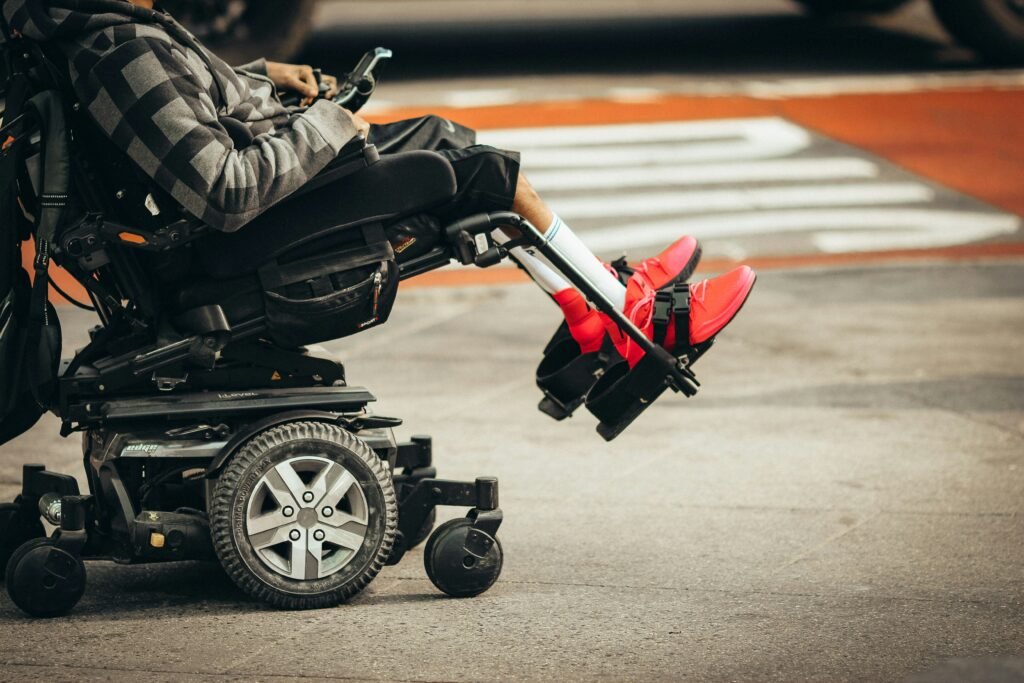
CP is the most common group of neurological disorders that affect movement, muscle tone, posture, caused by damage to the developing brain, during or after birth. If you’ve been wondering how physiotherapy might help manage cerebral palsy, you’ve come to the correct spot. Here, we walk you through specific exercises, therapies, and methods that help people with cerebral palsy become more mobile, stronger, and have a higher quality of life overall.
09: Pelvic Floor Dysfunction

Have you ever wondered how pelvic floor dysfunction might be healed with physiotherapy? Incontinence, pelvic pain, or organ prolapse are symptoms of pelvic floor dysfunction, which is caused by weak, taut, or malfunctioning muscles supporting the bladder, intestines, and pelvic organs. Physiotherapy restores muscle strength, function, and coordination through specific exercises, manual therapy, biofeedback, and modifications to lifestyles. You can learn more about how professional physiotherapy programs are made to help with symptom management, pelvic stability, and general quality of life through customised therapies and professional advice here.
10: Chronic Obstructive Pulmonary Disease (COPD)
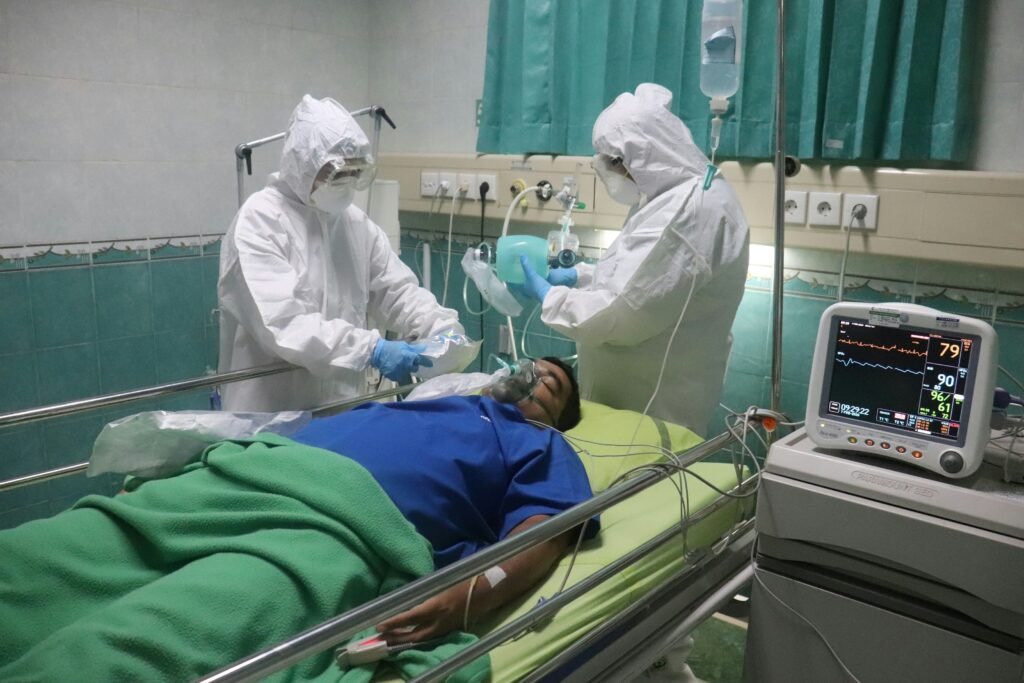
With Chronic Obstructive Pulmonary Disease (COPD), even basic everyday tasks can become challenging, but physical therapy can help. By means of customised breathing exercises, airway clearance methods, and graded aerobic training, physical therapy aims to enhance lung function, lessen dyspnoea, and increase general endurance. We specialise in simplifying complicated disorders like COPD on our website, providing helpful advice, expert led tactics, and individualised care approaches so you can take charge of your lung health and lead a more comfortable life every day.
Others:
Our website covers a wide variety of conditions such as Cervical radiculopathy, Joint dysfunctions, Headaches, Trigeminal neuralgia, Torticollis, Traumatic brain injury, Parkinsons, Alzheimers, Spinal Cord Injury, Arthritis, Pre & Post Surgical Rehab, Bursitis, Tendinopathy, Rotator Cuff syndromes, Women Health issues, CPRS & much more. Stay Tuned!