
Stress is far greater than just a transient sense of exhaustion; when it persists, it acts on the body and brain like a lingering poison. It often takes the form of efficiency, accountability, or ambition and accompanies us into our residences, businesses, and even periods of relaxation. Prolonged and continuous stress forces the body through a state of permanent alertness, whereas short periods of stress may assist the body cope with adversities. Gradually, this ongoing strain starts to have a biological impact on the body, upsetting internal equilibrium, changing brain activity, and impairing our defense mechanisms. In this blog, we will be unveiling the stress poison & rehab recovery.
Table of Contents
ToggleMind Body & Soul Communication
Once the stress transcends a transient reaction & becomes tenacious, it starts to interfere with several biological processes in the body and the nervous system. According to the scientific research, Mechanisms underlying stress effects on the brain: Basic concepts and clinical implications, prolonged stress triggers the body’s stress circuitry, which includes the hypothalamic-pituitary-adrenal (HPA) axis. This results in the sustained production of stress hormones that were initially adaptive but eventually turned detrimental.
This continuous activity throws off the autonomic nervous system’s equilibrium and causes anatomical and functional alterations in the brain, particularly in areas like the hippocampus, thalamus and prefrontal cortex that are in charge of memory, emotional control, and executive function. Hippocampus and thalamus play a vital role in maintaining the memory & storing the useful information for the brain.
Once the connection is disrupted, the individual may experience anterograde amnesia. Chronic stress appears to be associated with neurotransmitter inequalities, neuroinflammation, and decreased brain plasticity, all of which can cause mood swings, cognitive loss, and an increased vulnerability to mental illnesses like anxiety and depression. Furthermore, the biological effects of chronic stress extend beyond the brain; they also impact immunological balance, cardiovascular health, and metabolic activity, demonstrating the lasting adverse impacts that prolonged stress can have on the body and mind.
The hormone cortisol, which serves as a key messenger linking the cerebral cortex and the rest of the human system, is at the core of the body’s biological stress response. The hypothalamic-pituitary-adrenal (HPA) axis, a neuroendocrine pathway that helps the body adjust to external stressors while preserving its psychological equilibrium, is responsible for the release of cortisol, which is produced by the adrenal glands.
Cortisol is crucial for deploying energy, controlling glucose levels, and synchronizing immunological and metabolic processes during stressful circumstances. These processes are all intended to assist the body in successfully responding to an imminent assault. Nevertheless, this well calibrated system remains active when stress becomes constant rather than transient, resulting in repeatedly high cortisol levels that interfere with normal physiology.
Stress can have a profound impact on our physical and mental health, as evidenced by the connections between persistently elevated cortisol and compromised immunological responses, metabolic problems, modified cognitive abilities, and temperament dysregulation. Comprehending the dual function of cortisol, which can be helpful during acute stress and possibly detrimental when improperly controlled, is essential to understanding the significance of biological stress management.
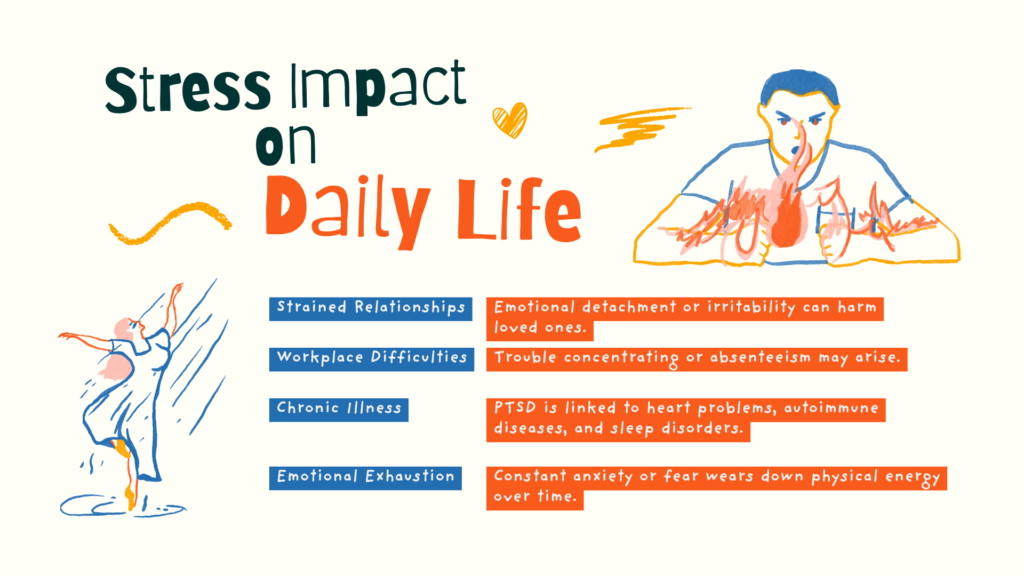
Unveiling the Stress Poison & Rehab Recovery
Stress & Cardiovascular System
Prolonged stress puts a heavy burden on the cardiovascular system and blood vessels in addition to the mind. The body’s physiological reaction is constantly triggered when stress persists, which raises the arterial pressure and heart rate over extended periods of time. This prolonged cardiovascular stimulation can cause inflammation, weaken the lining of blood vessels, and hasten the development of coronary plaque over time, all of which greatly raise the probability of elevated blood pressure, cardiac arrest, stroke, and numerous other heart conditions.
Chronic stress can turn a normal, adaptive response into a significant cardiovascular risk factor, as demonstrated by ongoing levels of stress hormones like cortisol and adrenaline, which can further lead to erratic heartbeats and chronic vascular dysfunction.
Stress & Immune System
Temporary strain can temporarily increase immunological responses, but long term stress has the reverse impact, weakening the body’s defenses against illness and reducing immunity. Inborn as well as adaptive immunity are suppressed by continuous stimulation of the stress defense mechanism, which results in decreased activity of important cells associated with immunity and delayed processes of recovery.
This immune suppression prolongs recovery periods, increases susceptibility to viral infections, and may even be a factor in the onset or aggravation of autoimmune ailments. Stress associated hormones like cortisol can attach to white blood cells and impair their function, and nerve impulses from the brain impact immunological tissues, demonstrating the close relationship between the immune framework and stress response.
Stress & Digestive System
Stress has an impact on the digestive tract, which is particularly vulnerable to shifts in stress hormones and nervous system functioning. Over time, stress can worsen disorders like irritable bowel syndrome (IBS) and cause symptoms including diarrhea, constipation, nausea, and abdominal discomfort by interfering with normal intestinal motility. Additionally, stress reduces digestive secretions and modifies the blood supply to the gut, which hinders the absorption of nutrients. Furthermore, recent studies demonstrate that stress can raise permeability in the intestinal lumen and upset the complex equilibrium of the gut flora, which may result in irritation along with further digestive problems.
Stress & Musculoskeletal System
Chronic tension in the muscles is frequently brought on by ongoing stress because the body is prepared to react to apparent threats. This repeated tightening of the muscles can cause tension headaches, shoulder and neck pain, back pain, and even conditions like temporomandibular joint (TMJ) pain over a period of weeks or months. Elevated risk of skeletal deterioration over time and decreased bone production can result from excessive stress hormones interfering with the breakdown of calcium. In addition to being uncomfortable, these physical symptoms feed a vicious cycle of decreased activity, increasing pain, and restricted mobility. Physiology, Stress Reaction
Stress & Endocrine System
Additionally, stress throws off the body’s endocrine and metabolic equilibrium. Long term cortisol exposure alters glucose homeostasis and may increase resistance to insulin, thereby raising the risk of metabolic syndrome and type 2 diabetes. Unbalanced hormones brought on by stress can promote fat deposition, especially in the abdomen, which is a contributing factor for many cardiovascular and metabolic diseases. These metabolic consequences highlight how lasting physiological balance and vulnerability to diseases can be affected by chronic stress, in addition to its temporary impact on hormone levels.
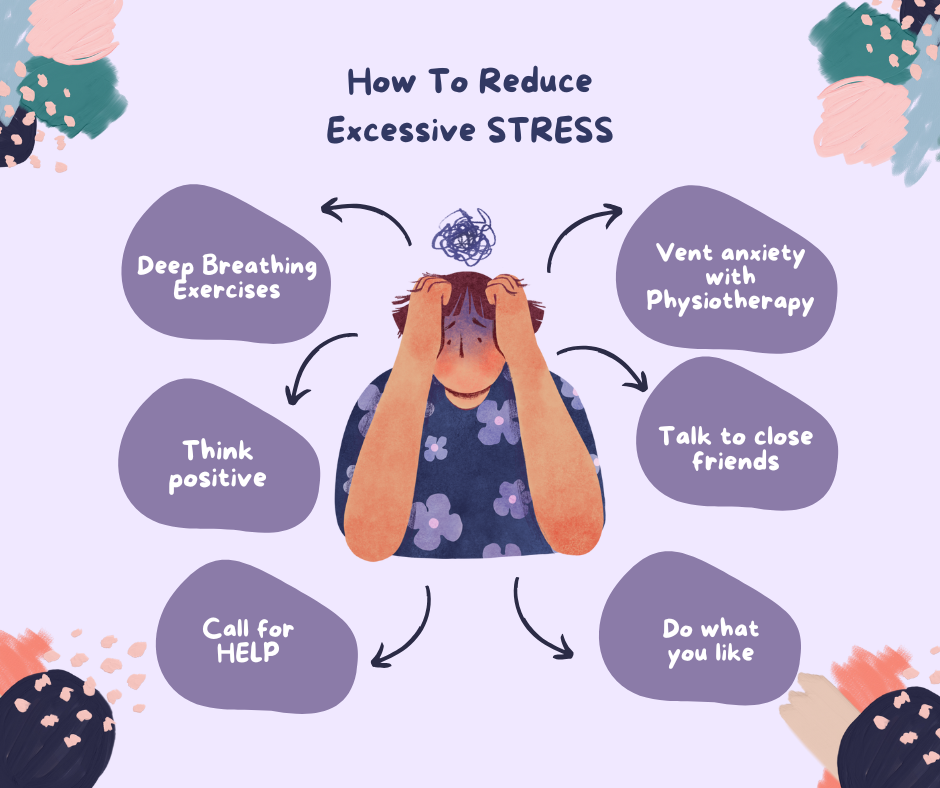
Unveiling the Stress Poison & Rehab Recovery
Physiotherapy is becoming more widely acknowledged not only for helping with rehabilitation and recuperation from injuries, but also as a useful stress reduction tactic that can improve mental and physical health. According to research, systematic relaxation methods commonly employed in physical therapy, such as diaphragmatic breathing, gradual relaxation of the muscles and guided imagery, greatly enhance relaxation states by lowering stress perceptions and stimulating the parasympathetic nervous system.
When compared to control settings without relaxation training, these strategies have been demonstrated to yield quantifiable benefits with regard to mental relaxation and biological indicators including respiration and electrodermal stimulation.
The utility of these therapies to reduce stress and enhance satisfaction of existence in clinical settings is specifically supported by a number of research. For instance, ten sessions of deep breathing and muscle relaxation techniques successfully lowered cortisol levels and stress scores in a controlled clinical research, indicating that such methods can affect both physiological stress markers and subjective stress. Effect of mind sound resonance technique versus Jacobson’s relaxation technique on stress by assessing serum cortisol level and perception of stress: An experimental study
Psychomotor relaxation programs have been shown to lower emotional weariness, symptoms of depressive disorders, and salivary cortisol in certain populations, such as healthcare professionals. This suggests that relaxation-based therapies have a genuine physiological benefit.
Combined physiotherapy techniques that incorporate exercise and stress-reduction techniques have proven beneficial in a variety of health domains, alongside general relaxation exercises. Diaphragmatic breathing combined with physiotherapy exercise improved the composition of the body, metabolic parameters, self-esteem, and anxiety in a controlled study of children and adolescents with morbid obesity, demonstrating how bodily interventions can affect psychological as well as physical health results.
Furthermore, bolstering the incorporation of them in rehabilitation programs is systematic evidence that relaxation techniques, such as breathing exercises and muscle relaxation, minimize stress and boost quality life outcomes in ongoing medical conditions like cardiovascular disease and hypertension. Effectiveness of relaxation techniques for stress management and quality of life improvement in cardiovascular disease and hypertensive patients: a systematic review
Moreover, there’s a proven link between hidden trauma, stress to dementia causing neurodegeneration of the cells. In our blog, Revealing the Hidden Link between Trauma, Dementia & Physical Therapy, we discussed that Although the biochemical pathways linking trauma and neurodegeneration seem tenable, the relationship is still one of risk rather than certainty, as research published in journals such as Springer Link and Nature points demonstrated. Practically speaking, this knowledge emphasizes how crucial early intervention and comprehensive health management are.
Stress management, trauma treatment, and mental health support are not only psychological issues; they also have significant neurological and physical ramifications. According to the Lancet Commission on Dementia Prevention, dementia incidence can be significantly decreased by addressing modifiable risk factors at every stage of life.
One of these modifiable risk factors is stress along with the triggers related to anxiety of trauma. Long term exposure to stress promotes biological deterioration of the nervous system, a phenomenon known as allostatic load, resulting in the susceptibility of neurons to degeneration, impairs neuroplasticity, and causes neuroinflammation. Although stress by itself does not cause dementia, there is growing evidence that it can function as a catalyst, increasing the likelihood of various neurological conditions throughout life.
This is when physiotherapy and rehabilitation become crucial. Physiotherapy techniques, such as guided movement, breathing control, nervous system down regulation, and physical reconditioning, can restore balance across interrelated systems by addressing stress as a whole-body physiological state as well as a mental experience.
These strategies strengthen the idea that preserving brain health starts decades prior to decline in cognition & manifests itself by promoting autonomic regulation, lowering chronic stress reactions, and improving functional resilience. In the end, rehabilitation and physiotherapy are reframed as preventative, not just restorative, disciplines when stress is acknowledged as a modifiable risk factor. This places them as crucial elements to lasting neurological, physical, and emotional health.
This article has been written by a Physical Therapist and provides general guidance on physical health & exercise. While it is grounded in professional expertise, it is not a substitute for individualized medical advice. If you are experiencing pain, specific symptoms, or have an underlying medical condition, please book a 1 on 1, 30 minute consultation with our expert physical therapist for a personalized assessment & tailored recommendations.